







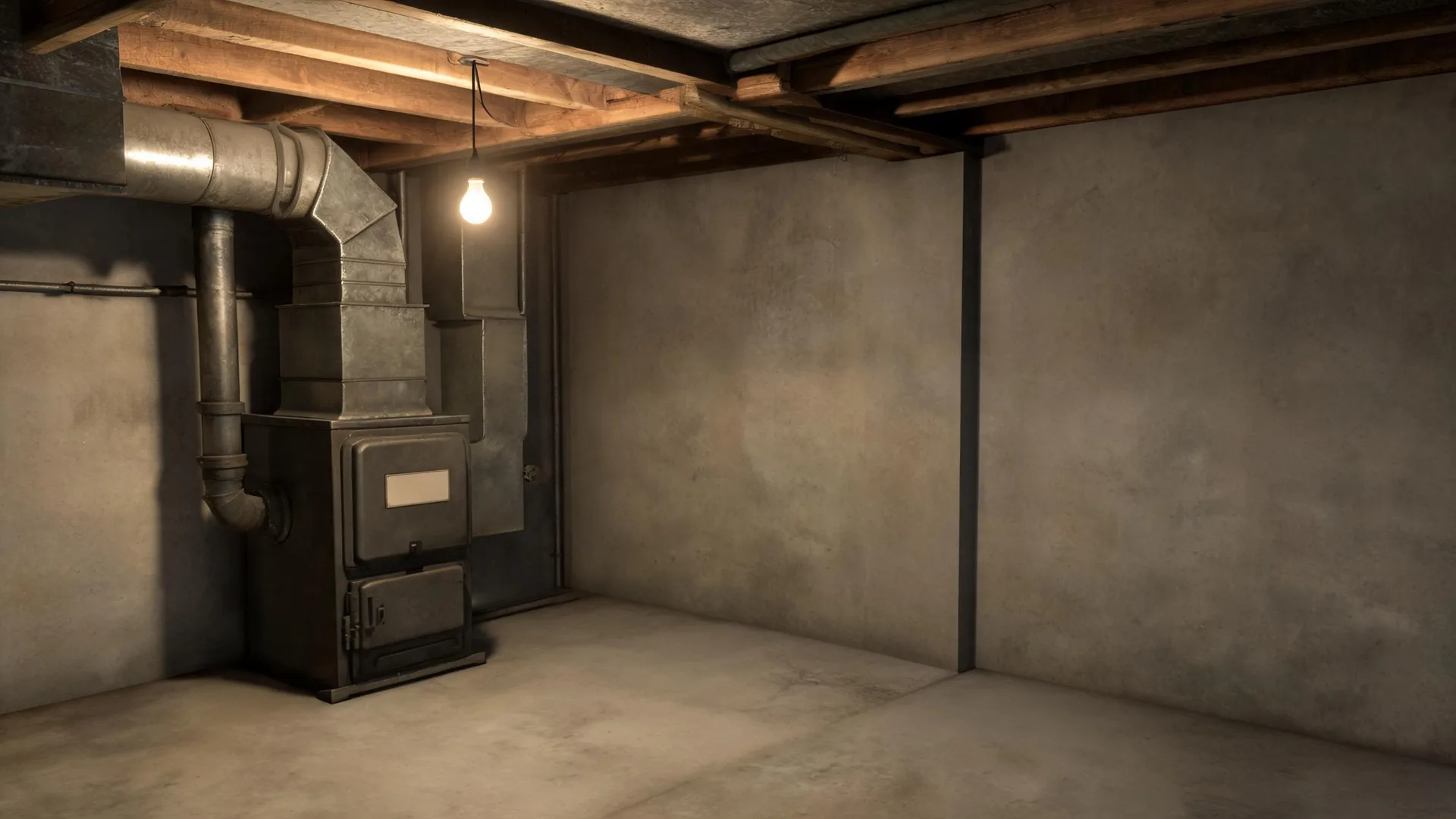
An empty unfinished basement containing a forced-air furnace with overhead ductwork, exposed ceiling joists, and a single hanging light bulb.

Furnace Installation in Texarkana, AR

Tell us about the job

Takes about a minute. No obligation.

New system or replacementFurnace or heatingMiller County, AR
Step 1 of 2

What ZIP code is the job in?

Most homes in Miller County heat with electricity, 58.3% of them. Gas comes in well behind at 36%. If your house already has an electric furnace or heat pump, replacing it with the same setup is usually the easier install, since the wiring is already sized for it. Switching fuel types means new gas lines or new electrical work, and that adds steps a straight swap doesn't need. Worth checking which one you have before you start pricing anything.

5 months
November through March, your furnace is on duty
36°F
the average winter night it heats against
80% AFUE
the federal minimum any new unit must meet
Isometric cutaway illustration of a single-story house in gray tones, showing interior rooms with furniture, ceiling ductwork, and an exterior furnace unit with a tall flue pipe.
Your furnace works hardest from November through February.

NOAA nClimDiv, 1991–2020 normals

Furnaces in Miller County only run about five months, November through March.

A furnace idle most of the year doesn't need to be the top-tier model to hold up.

Electricity runs $36.10 per million Btu here, so the high-efficiency furnace earns its keep slower than it would somewhere colder

Heat runs November through March
Winter nights average 36°F
6 winter storms from 2015 to 2024
Built for Miller County weatherDamaging wind hit the county 57 times between 2015 and 2024

A mid-efficiency furnace is worth asking for by name when you're pricing this job. The high-efficiency models cost more upfront, and with power priced the way it is here, the monthly savings take a long time to close that gap. Put the money into what affects comfort and lifespan instead, a unit sized right for your square footage and a clean installation of the ductwork you already have. If you're set on the high-efficiency route anyway, ask the contractor to walk through the actual payback for your situation rather than a national average, since that number moves with local electricity rates.

Get it in before November

October is the last month before heat season starts here. Have the new furnace in before November and it gets installed on a normal schedule instead of during the first cold snap.

Find a contractor
A man in a gray t-shirt and tan work pants, seen from behind, carries a canvas tool bag up wooden porch steps toward a dark blue front door beside a potted shrub.
A gray residential gas furnace installed in an unfinished basement, surrounded by ductwork, a metal flue pipe, and a gas supply line.

What the AFUE number actually pays for

AFUE is the share of fuel that turns into heat in the house instead of going out the flue. A furnace with a higher AFUE wastes less fuel. That only pays off on the fuel it burns, so the rating means less on a furnace that sits idle most of the year than one running day and night. Gas and electric furnaces get rated on the same scale, but check which fuel the quote actually prices before comparing numbers across bids. The rating says nothing about sizing or ductwork either. A mid-efficiency furnace sized right for the house can heat it more evenly than a high-efficiency one that's too big or too small for the job.

Sizing comes from a load calculation, not the old unit

A contractor should work out the new furnace size from your square footage, insulation, window area and layout, not just match whatever is already in the closet. The old unit might have been wrong from the start, or your house may have had work done since it went in. The calculation is what the sizing should rest on, not a guess carried over from the last install.
Oversized hurts more than undersized

A furnace that's too big heats the house fast, shuts off, then starts again a short while later. That start stop pattern wears on the igniter and the blower motor, and it leaves rooms farther from the furnace feeling uneven since the system never runs long enough to push air evenly through the ductwork. A furnace sized right runs longer, steadier cycles, and that's easier on the equipment over the long run.

When you're comparing quotes, ask each contractor to walk you through the AFUE rating and the size they're proposing, not just the price at the bottom. Bids for the same job can land on different size units, and a bigger number on the page doesn't mean a better fit for your house. Ask what the warranty covers on the heat exchanger versus the rest of the parts, since those terms are often different and that gap matters more once the furnace has some years on it. Ask whether the quote includes venting work, since a furnace swap sometimes means changing the flue or intake to match the new unit, and that's a real cost that shouldn't show up as a surprise later. Ask who pulls the permit and whether an inspection follows, since a furnace installed without one can cause problems down the road. The contractor who answers these plainly, without brushing past them, is usually the one who installs it right.

The old furnace comes out first, and that part goes fast. What takes longer is sealing the new flue connection, fitting the plenum to the ductwork you already have, and running a new gas line or electrical circuit if the unit calls for one. The contractor should test the gas pressure or electrical draw once it's hooked up, not just fire it on and walk away. The system should run through a full cycle before anyone calls it done, heating up, shutting off, then kicking back on, so a rough start or short cycle shows up while the crew is still there to fix it. A carbon monoxide check belongs in that same visit if it's a gas furnace. The permit and inspection, if your contractor pulls one, usually happen after, not on install day itself.