




Two illuminated white colonial-style houses with wrap-around porches, flanked by oak trees draped in Spanish moss, photographed at night.

Furnace Installation in Blytheville, AR

Tell us about the job

Takes about a minute. No obligation.

New system or replacementFurnace or heatingMississippi County, AR
Step 1 of 2

What ZIP code is the job in?

Mississippi County saw 126 severe weather events between 2015 and 2024, including damaging wind and tornadoes. Almost a quarter of Arkansas households lost power for a day or more in 2024. A gas furnace still needs power to run, since the blower and control board both depend on it. If you're installing new, it's worth asking the contractor about a transfer switch or standby generator setup so the system comes back on once power returns. Where the outdoor equipment sits matters too, away from tree limbs and anything wind could turn into debris.

7 months
October through April, your furnace is on duty
33°F
the average winter night it heats against
50%
of homes here heat with gas, so most furnaces here burn gas
80% AFUE
the federal minimum any new unit must meet
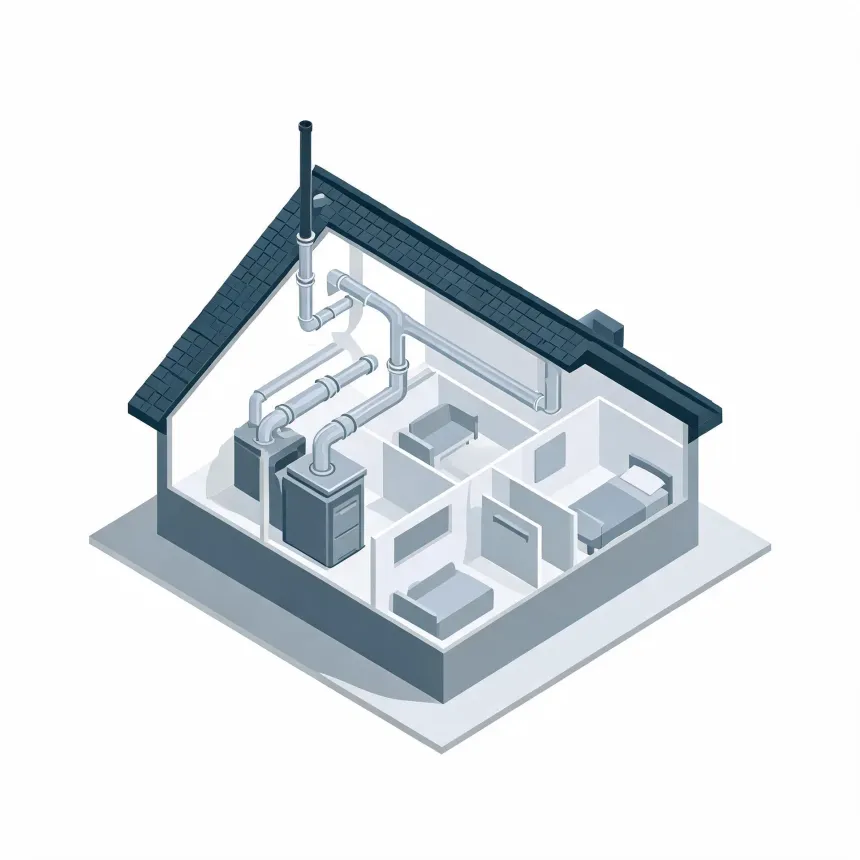
Isometric illustration of a cutaway house showing a furnace unit with ductwork and a flue pipe running through the interior rooms, which contain simple furniture.
Your furnace works hardest from November through March.

NOAA nClimDiv, 1991–2020 normals

Half the homes in Mississippi County were built in 1977 or earlier, half in 1977 or later.

Old or new, a furnace sized to your house is what does the job, nothing bigger needed.

Gas runs $15.77 per million Btu in Arkansas, cheap enough that the furnace that holds up matters more than the one that saves you a little on the bill

Heat runs October through April
Winter nights average 33°F
14 winter storms from 2015 to 2024

Gas heats half the homes in Mississippi County, more than any other fuel. Electricity heats 43.9 percent, and propane heats 4.7 percent. If a gas line already runs to your house, putting in another gas furnace is usually the straightforward choice, since the venting and gas supply are already worked out. That's different from starting fresh with a fuel the house wasn't built around. Ask the contractor to confirm the gas line and meter can handle the new unit before you settle on size or model.

A standard furnace, sized right, covers a Mississippi County winter

Furnace here runs seven months a year, October through April, with overnight lows averaging 33°F in December and January. That's a normal winter for a furnace to handle, and a standard size fits it. Get a quote and find out what that looks like for your house.

Find a contractor
A man in a cap, dark jacket and tan work pants walks up concrete steps toward a dark blue front door, carrying a canvas tool bag at his side.
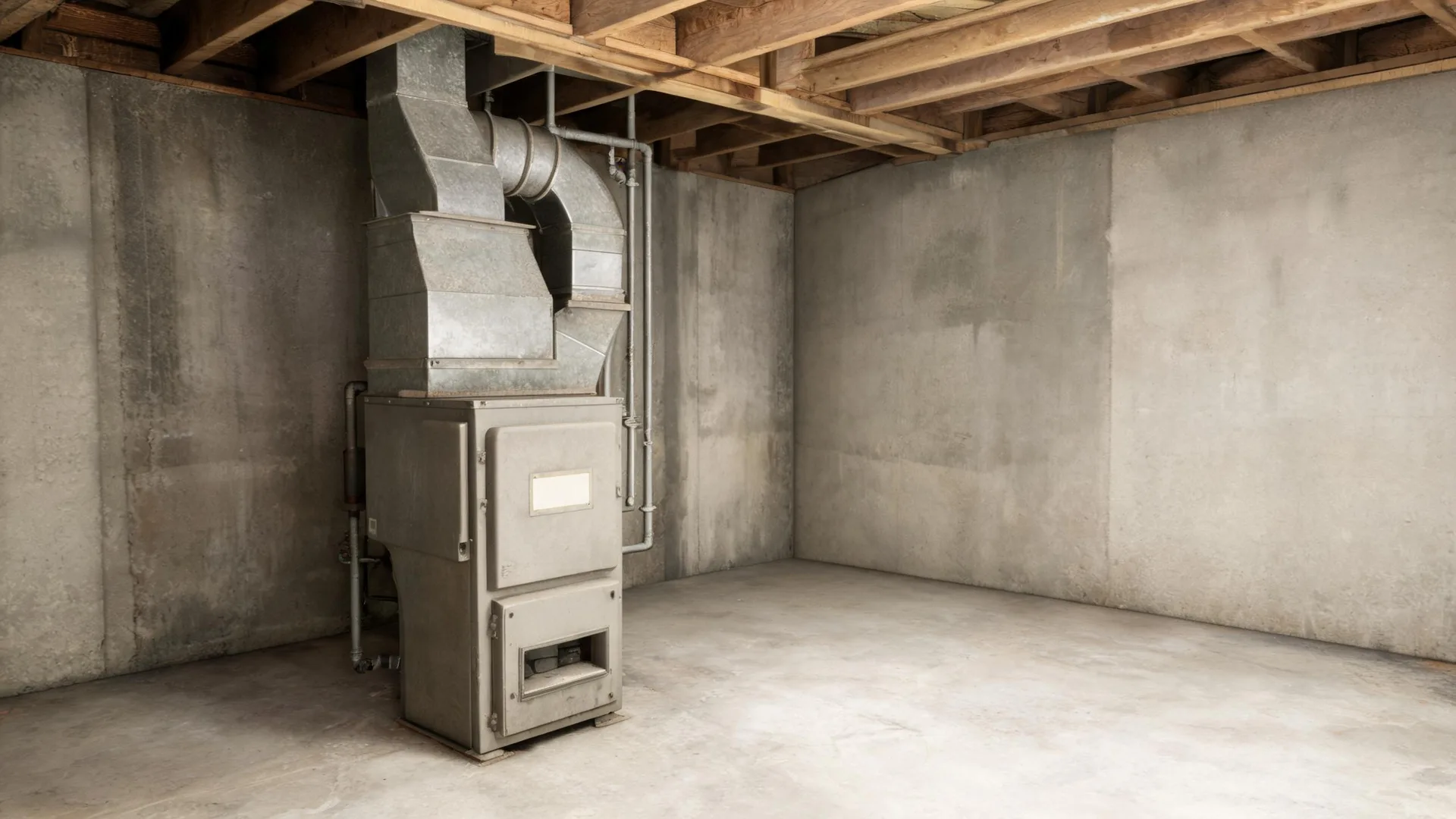
A gray gas furnace with attached ductwork and piping installed in an unfinished concrete basement.

Seven months of work starts in October. Get the new one in before it does.

Furnace here runs seven months straight, October through April. That's the bulk of the year the blower and control board are working, and once that stretch starts you're not shutting things down to swap a unit. Replacing it in September means it's done before the first cold night asks anything of it. Wait until October and you're making the decision while the house is already cold, with whatever contractor can get there first.

The old furnace gets hauled away, not left behind

Part of the installation job is disconnecting the old unit from the gas line and ductwork, capping what needs capping, and taking it out of the house. A straight swap means the new furnace goes in roughly where the old one sat, using the same vent path and duct connections where they still make sense.

What's still good gets reused, what's worn doesn't

Ductwork and the gas line usually carry over if they're in good shape and sized right for the new unit. The contractor should check both before install rather than assume they'll work as is, since a furnace only runs as well as what it's hooked up to.

An unfinished basement containing a gas furnace with ductwork in the foreground and miscellaneous stored items along the far concrete wall.

A high-efficiency gas furnace would save about $100 a year to run in Mississippi County compared with a gas furnace.

  • A high-efficiency gas furnace$580 a year
  • A gas furnace$680 a year

Estimates for a typical Mississippi County home, from EIA household energy data, Arkansas fuel prices and NOAA climate normals. Your home will differ.

Install day starts with the house going cold for a few hours, so plan for that. The contractor shuts off gas to the old unit, disconnects the vent and duct connections, and takes it out before the new one goes in. Setting the new furnace means leveling it, connecting it to the existing ductwork and gas line, and running new vent pipe if the old path doesn't fit the new unit's venting type. Once it's connected, the contractor fires it up and checks gas pressure, airflow, and temperature rise against what the manufacturer specifies for that model. They'll also check the furnace cycles properly through a full heating run before calling it done. A good install ends with the contractor walking the thermostat settings and filter location with you, not just the invoice.