




A white Southern-style house with a wraparound porch photographed at night, surrounded by Spanish moss-draped oak trees lit by landscape lights.

Furnace Installation in Little Rock, AR

Tell us about the job

Takes about a minute. No obligation.

New system or replacementFurnace or heatingPulaski County, AR
Step 1 of 2

What ZIP code is the job in?

Pulaski County has logged 178 damaging wind events and 97 hail events over the past decade, the kind of weather that reaches whatever sits outside your house. A furnace itself stays indoors, out of the hail, but a new install is a chance to think about what feeds the system and whether it's exposed. Ice is usually what takes the power down here, and statewide, nearly a quarter of households went at least a full day without it last year. A gas furnace with a standing pilot keeps working through that. One that relies on electronic ignition or a blower motor does not, so it's worth asking your contractor how your new system handles an outage before you need to find out.

5 months
November through March, your furnace is on duty
33°F
the average winter night it heats against
50%
of homes here heat with gas, so most furnaces here burn gas
80% AFUE
the federal minimum any new unit must meet
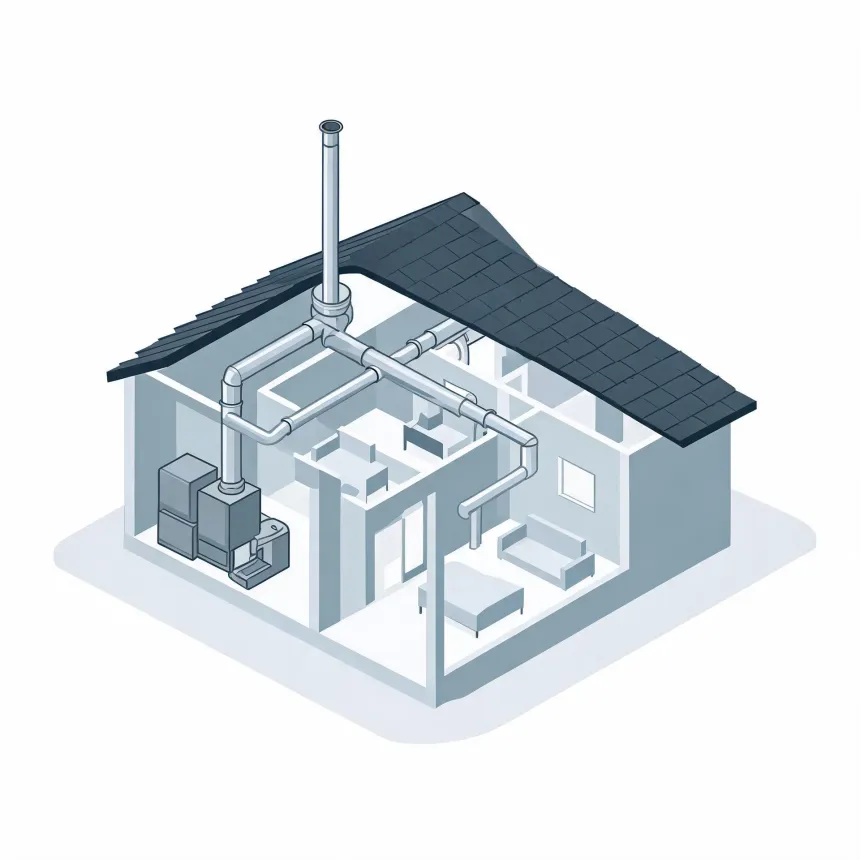
Isometric cutaway illustration of a small house showing a furnace unit connected to ductwork and a vertical flue pipe extending through the dark shingled roof, with sparse furniture in the rooms.
Your furnace works hardest from November through March.

NOAA nClimDiv, 1991–2020 normals

Furnaces here only run about five months a year, November through March.

A furnace that isn't working hard most of the year doesn't need the top efficiency tier to hold up, just a sound install.

Gas here runs $15.77 per million Btu, cheap enough that a high-efficiency furnace takes years longer to pay for itself

Climate zone 3A
Heat runs November through March
Winter nights average 33°F

That exposure question matters most for whatever sits outside, even on a furnace install where the furnace itself is indoors. If this job is pairing the furnace with a new AC or heat pump unit, ask where the outdoor unit will sit and whether anything shields it from hail. For the furnace side, the thing worth settling before winter is backup. If a storm knocks the power out, a furnace with electronic ignition and a blower motor won't run no matter how sound the install is. Some homeowners add a battery or generator setup for exactly that reason. Worth asking what your options are while the contractor is already there.

Gas is already the norm here

Just over half the homes in Pulaski County heat with gas. If your old furnace ran on gas, replacing it with another keeps the gas line, the vent, and the setup your house already has. That's one less thing to work out before winter.

Find a contractor
A man in a dark shirt and work boots carries a canvas tool bag filled with tools up wooden porch steps toward a navy blue front door of a shingled house, with a potted shrub to the right.
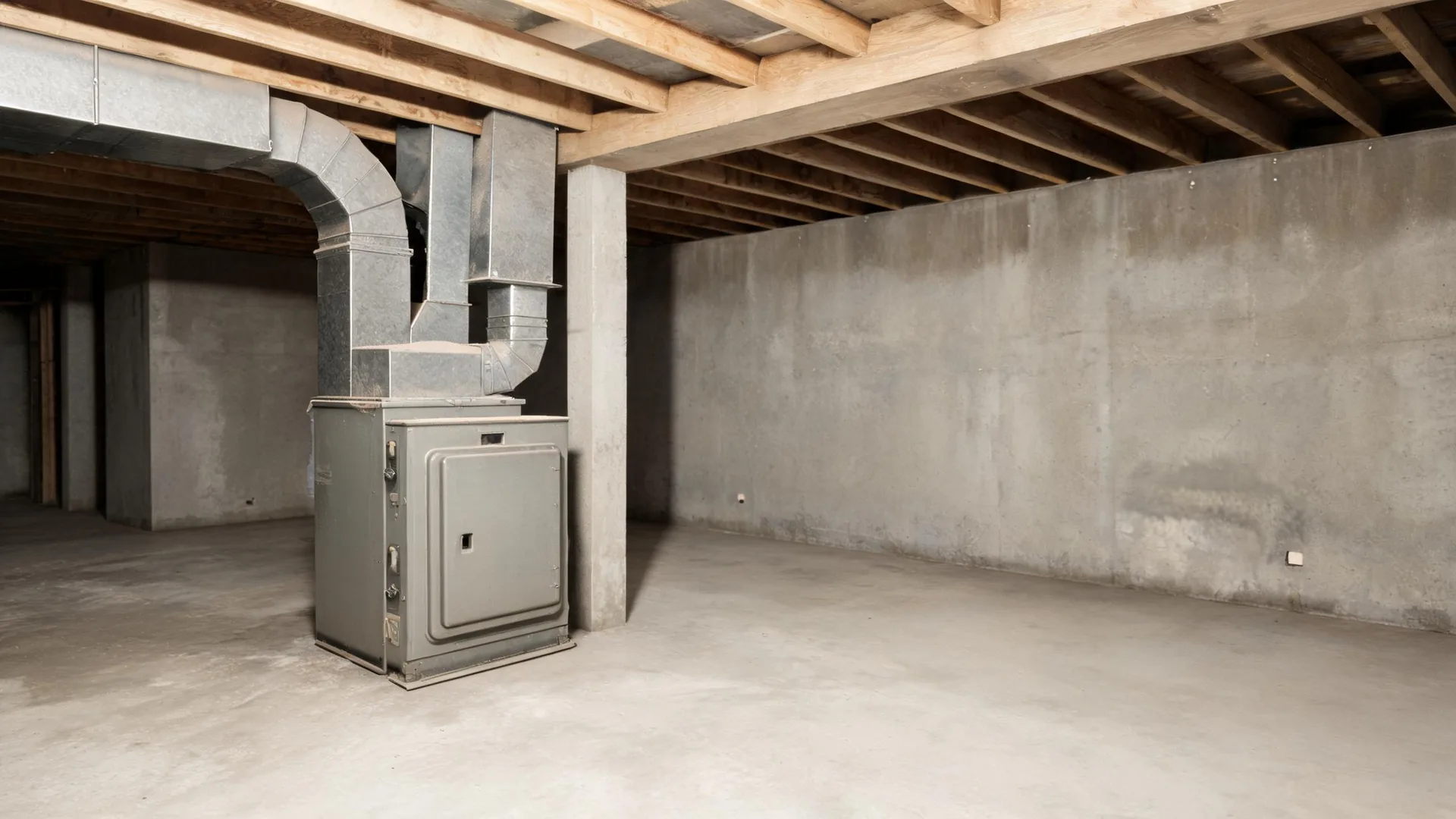
A gray high-efficiency gas furnace installed in an unfinished basement, surrounded by gas lines, a condensate drain, and sheet-metal ductwork.

Five months of work, not year-round

November through March is five months of work for this furnace. Install before November and it gets its first real runs on a mild fall day, not the coldest night of the year, so a bad ignition or a thin flame shows up when there's time to deal with it. Wait until the cold sets in and the first call is an emergency call, scheduled around whoever else needs heat that week too.

The old furnace comes out

Whoever installs the new furnace disconnects the gas line, the vent or flue connection, the return and supply ducts, and the electrical, then takes the old unit with them. There's no reason to keep it around or find somewhere to put it. Removal is part of the install, not a separate job.

The duct and vent it leaves behind still matter

The new furnace has to connect to the same ducts and often the same vent or flue the old one used. If that ductwork is undersized or leaky, a new furnace won't fix it, it'll just run through the same flaws the old one did. Worth asking the contractor to check the duct and vent during the swap, not just drop in the new unit and go.

A gas furnace and sheet-metal air handler unit installed in an unfinished concrete basement.

A high-efficiency gas furnace would save about $100 a year to run in Pulaski County compared with a gas furnace.

  • A high-efficiency gas furnace$520 a year
  • A gas furnace$620 a year

Estimates for a typical Pulaski County home, from EIA household energy data, Arkansas fuel prices and NOAA climate normals. Your home will differ.

A furnace swap takes most of a day, sometimes less. The contractor sizes the new unit to the ductwork already in place, sets it, and runs the gas, vent and electrical connections before testing for leaks. Once it's hooked up, they fire it and run it through a full cycle, checking the flame, the draft, and that the blower is moving air the way it should. Part of that test is a combustion check, reading the exhaust to confirm it's burning clean and venting the way it's supposed to. A carbon monoxide test on the house happens before they leave, not after. If the old thermostat doesn't match the new furnace, that gets swapped too so the system actually responds to it.