Most homes here heat with electricity
Electricity heats 55.0% of occupied homes in Columbia County, with utility gas a distant second at 37.5%. If your house already has electric heat, a straight swap is usually the simplest route.
Takes about a minute. No obligation.
Electricity heats 55.0% of occupied homes in Columbia County, with utility gas a distant second at 37.5%. If your house already has electric heat, a straight swap is usually the simplest route.
An electric furnace install doesn't need a gas line run or vented for exhaust, which keeps the job simpler than a gas conversion. If your home runs on gas or propane instead, matching the existing fuel still tends to be the easier path than switching over.
NOAA nClimDiv, 1991–2020 normals
Furnaces in Columbia County start running in November.
Get a new furnace installed in October, before you need it.

Furnace here only has to work about five months a year, November through March. Overnight lows average 35°F through December, January and February, cold enough to run the heat steadily but not the kind of deep freeze that pushes a furnace to its limit night after night. That shorter, milder stretch means less wear over the system's life. A furnace sized right for this climate doesn't need to be the highest-output model on the lot to keep up. Put the money into a unit that's reliable and properly installed rather than one built for colder country.
Replace it before the season starts, so it happens on your schedule, not in a hurry.
Find a contractorWinter storms have hit Columbia County six times between 2015 and 2024, so ice and hard freezes aren't a regular test here the way they are farther north. When you're comparing installers, ask what they're sizing the unit for. A furnace matched to this house and this climate, installed correctly, is what to look for. There's no need to pay for output this county rarely asks a furnace to give.
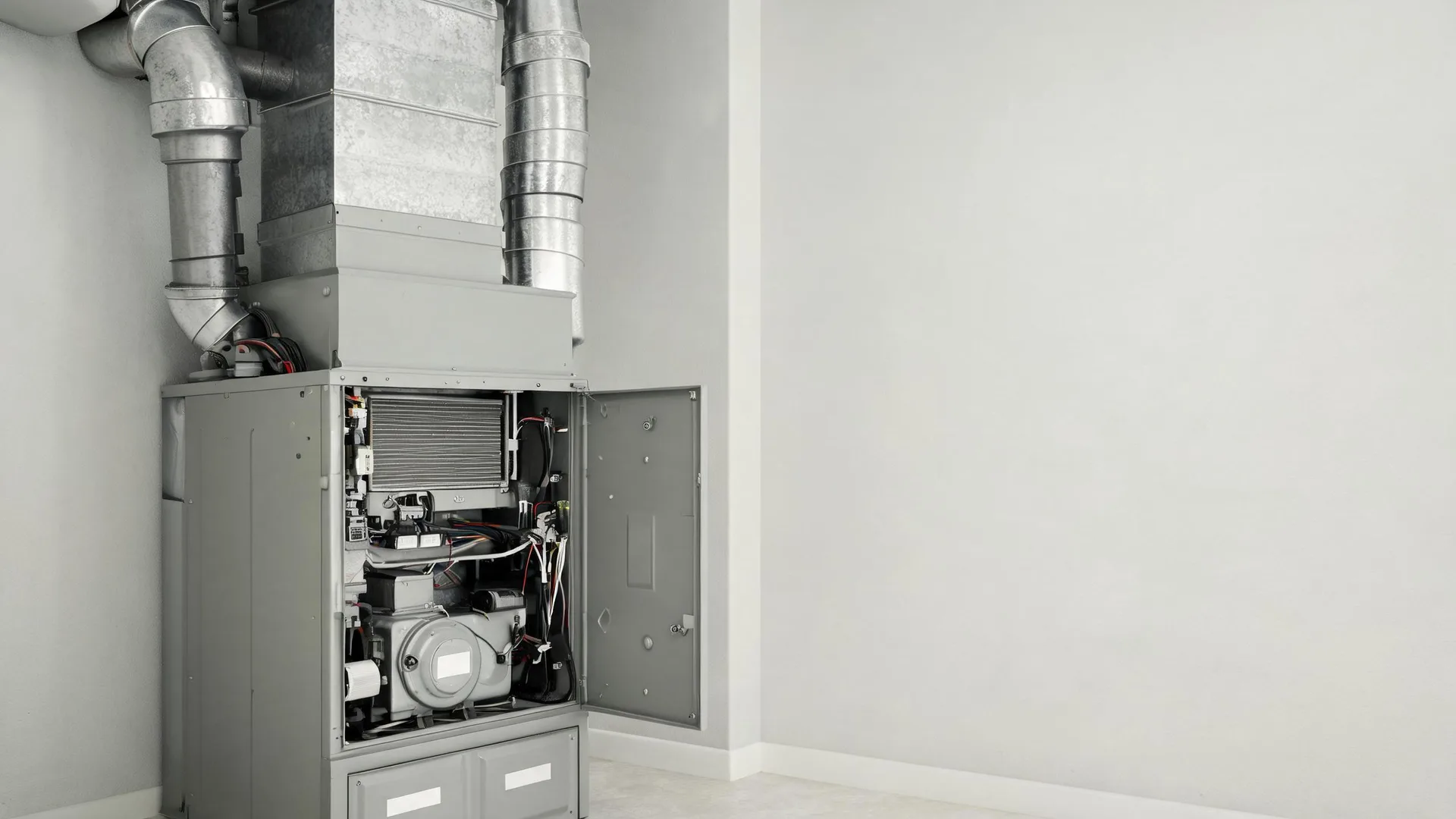
A straight swap means disconnecting the gas line or electrical circuit, pulling the old unit, and capping or reworking the vent and duct connections to match the new furnace. If the old one is gas and the new one is electric, the gas line gets capped off and the vent that used to carry exhaust out of the house is no longer needed. That changes what the install involves, not just what gets installed.
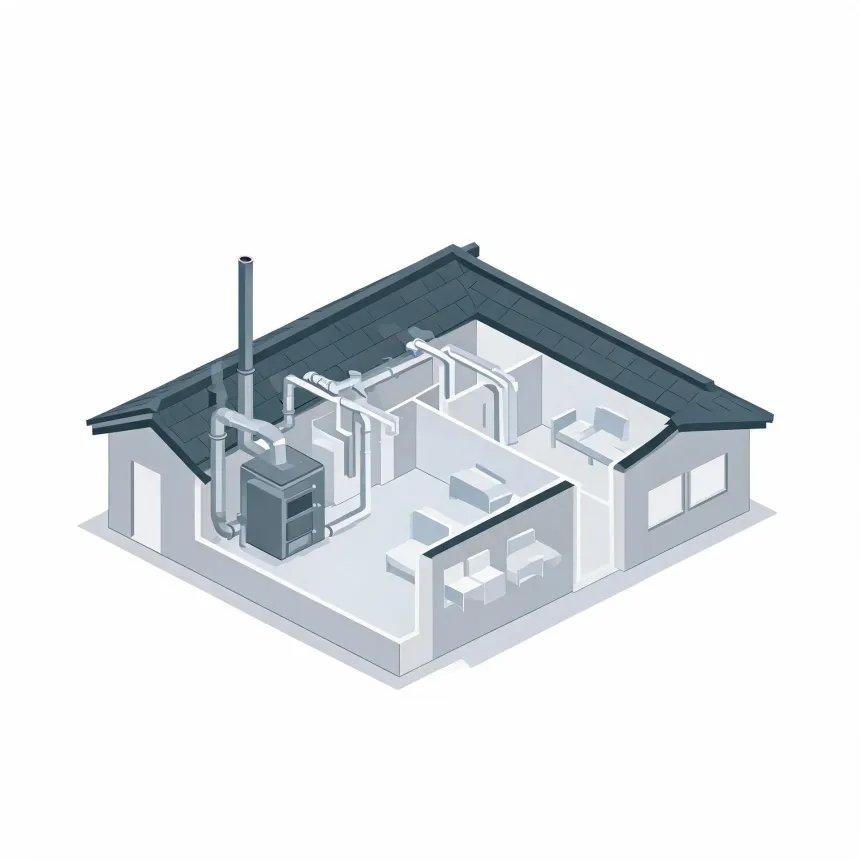
In most replacements, the supply and return ducts already running through the house get reused, not replaced. The new furnace has to match what that ductwork can handle. An installer worth hiring checks the duct size and condition before quoting the job, because a furnace that's wrong for the ducts already in place will run poorly no matter how good the unit is.
What drives the price of a furnace install is mostly what's hiding behind the walls, not the furnace itself. If the new unit is a straightforward match for the old one, same fuel, same general output, the job is mostly labor and parts anyone can quote close to the same. The cost moves when something in the path has to change. A gas line that's undersized for a bigger furnace needs upsizing. A vent that's the wrong material or the wrong diameter for the new unit's exhaust has to be replaced, not just reused. Ductwork that was never right for the house, or was sized for a different furnace entirely, might need modification before the new unit can perform the way it's rated to. None of that shows up until a contractor is actually in the house looking at the gas line, the vent, and the duct connections, which is why a firm number before that walkthrough is really a guess.
Installation day starts with pulling the old furnace out. Whatever it no longer needs, the gas line or the old vent, gets capped or sealed off. The new unit goes in next, connected to the ducts already in place, the gas line or electrical circuit, and the vent or exhaust piping it needs. Once it's hooked up, a tech fires it up and checks the heat rise, the airflow at the registers, and the gas pressure or amp draw depending on the fuel. That testing is where a sizing problem or a bad duct fit shows up, not months later when the house is cold and nobody's there to catch it. A furnace that passes those checks on install day is one that's set up to run the way it should for years.