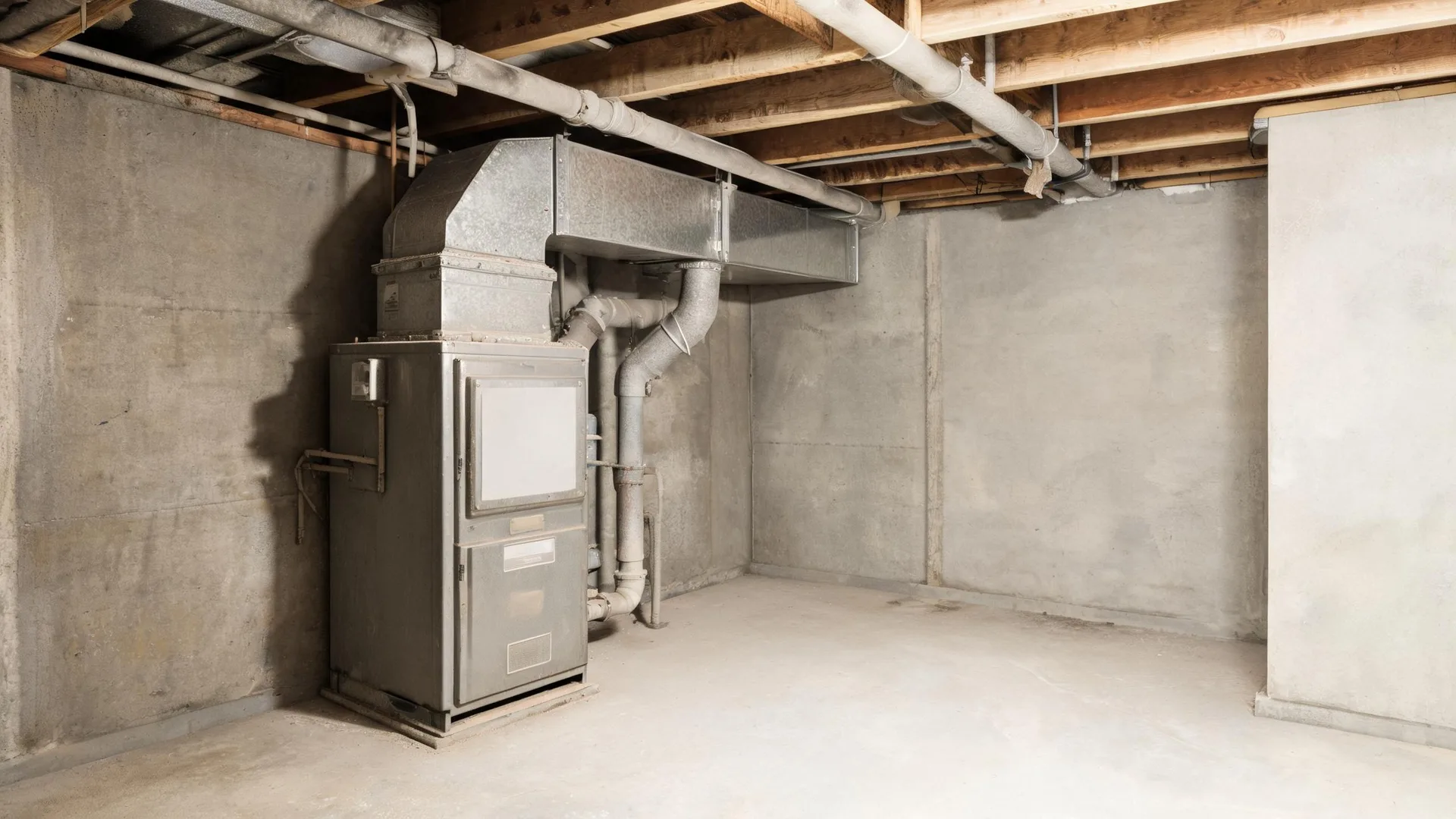
Electric heat is the norm here
58.2% of homes in Arkansas County heat with electricity. A gas furnace is still a common choice, running on bottled or LP gas or utility gas where it reaches the house, and plenty of homes here use one.
Takes about a minute. No obligation.
58.2% of homes in Arkansas County heat with electricity. A gas furnace is still a common choice, running on bottled or LP gas or utility gas where it reaches the house, and plenty of homes here use one.
If your house already has gas line and ductwork sized for a furnace, replacing it with another furnace is the straightforward job. Switching fuel types means new venting or gas supply, work a straight swap doesn't need.
NOAA nClimDiv, 1991–2020 normals
Arkansas County has seen 44 damaging wind events and 12 winter storms in the past decade.
A furnace built to normal specs handles what this county sees. There's no case here for oversizing or upgrading past what the house needs.




Any furnace installed here now has to hit 80 percent AFUE, the federal minimum for a gas furnace. That floor holds until the end of 2028, when new units will have to reach 95 percent. Arkansas County sits in a warm zone with a long cooling stretch and a short, mild winter, so the climate here doesn't call for anything beyond that standard grade. A furnace built to the 80 percent minimum is built for exactly the kind of winter this county gets.
Heat goes on in November and runs through March. Install it in October and it's tested and running before the first cold night, not during one.
Find a contractorHalf the homes in Arkansas County were built in 1978 or earlier, half later. Age alone doesn't change what a furnace has to do. A standard system sized to the house heats it the same either way. Mobile homes make up 13.3 percent of the housing here, and those need a furnace rated for that kind of install, but that's a difference in the unit's listing, not in the size or grade you'd pick for a site-built house. Nothing here points to going bigger or spending past the standard grade.
A furnace sized to the house heats evenly and doesn't short cycle. One sized too big switches on and off fast, wearing the parts faster and leaving rooms uneven. Ask what load calculation they ran, not just what size the old unit was.
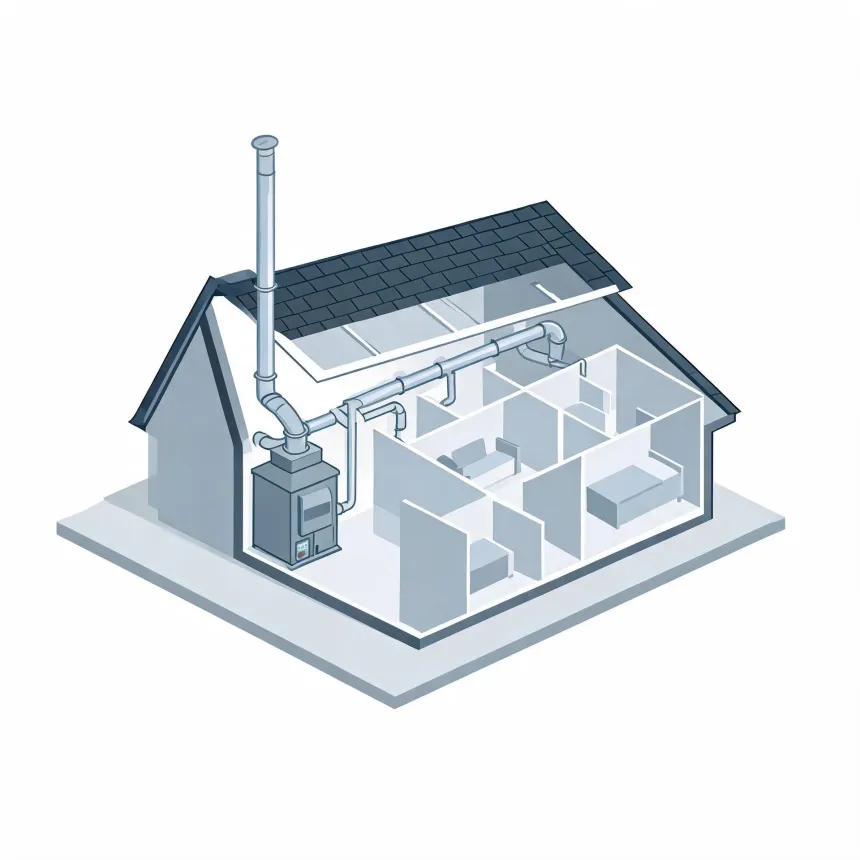
A furnace needs a flue or vent pipe sized and routed for its exhaust, and the gas line needs to supply it at the right pressure. If both are already in place and sized right, that's one less thing to get wrong. If either needs changing, ask what that work involves before the price is final.
Sizing a furnace comes down to how fast the house loses heat, not how big the house is. A contractor works this out room by room, checking the walls, the windows, the ceiling height, how much of the house faces into the wind, and adds it up into a load calculation. Skip that step and guess off the square footage, and the number is usually wrong. Too big and the furnace blasts the air up fast, hits the thermostat, and shuts off before it's pulled the cold out of the walls and furniture, so the room feels warm for a minute and cold again soon after. That on-off cycling also wears the igniter and the blower motor harder than steady runtime does. Too small and it runs constantly on the coldest nights and still can't keep up. The right size is the one that matches its output to the heat the house actually loses, nothing more.
Installation day starts before the new furnace ever comes out of the box. The old one gets disconnected from the gas line, the venting, and the ductwork, then carried out. Whoever's doing the work checks the flue and gas line against what the new unit needs, since those don't always carry over even when the size looks the same. The new furnace goes in, gets leveled, and ties into the ducts, the gas line, the vent, and the thermostat wire. Then it runs through a test cycle, checking the gas pressure, the flame, and the temperature rise, before anyone calls it done. A clean install leaves the attic or closet or basement the way it was found, minus the old furnace.