





Single-story brick and siding houses with lawns behind a long trimmed hedge, framed by large oak branches draped with Spanish moss under an overcast sky.

Furnace Installation in Pine Bluff, AR

Tell us about the job

Takes about a minute. No obligation.

New system or replacementFurnace or heatingJefferson County, AR
Step 1 of 2

What ZIP code is the job in?

Electricity heats 52.9% of homes in Jefferson County, more than any other fuel. Utility gas comes second at 41.7%. If your old furnace ran on electricity, a new electric furnace or heat pump matches what your ductwork and wiring were already built for. The same goes if gas has been running your heat all along. Matching the fuel you already have is usually the simplest install, since the gas line or electrical circuit is already in place.

5 months
November through March, your furnace is on duty
35°F
the average winter night it heats against
80% AFUE
the federal minimum any new unit must meet
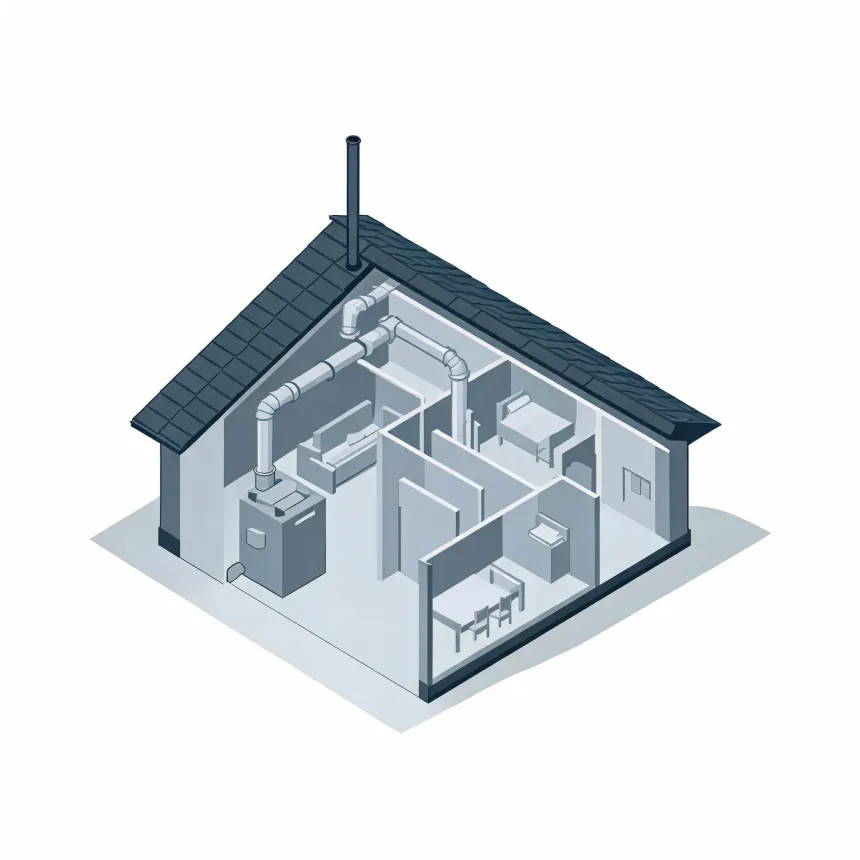
Isometric cutaway illustration of a small single-story house showing interior rooms with furniture, a furnace unit with attached ductwork running to a roof flue, and a dark shingled roof.
Your furnace works hardest from November through March.

NOAA nClimDiv, 1991–2020 normals

Furnaces in Jefferson County only run about five months a year.

A furnace that gets a long break every spring doesn't need to be the top efficiency model to last.

Electricity runs $36.10 per million Btu here, so the priciest high-efficiency furnace isn't what pays you back

Heat runs November through March
Winter nights average 35°F
12 winter storms from 2015 to 2024
Get it done before NovemberHeat season runs November through March here, so October is the time to put in a new furnace.

A standard furnace sized to your home handles Jefferson County fine. Nothing about the weather here calls for oversizing the unit or stepping up to a higher-tier model than you'd put in anywhere else. Where the weather does matter is the power. Jefferson County saw 45 damaging wind events between 2015 and 2024, and almost a quarter of Arkansas households lost power for a full day or more in 2024. A gas furnace still needs electricity to run its blower and controls, so an outage shuts it down the same as an electric one. If that's a real concern for your house, it's worth asking your contractor about backup power options when the furnace goes in, not about buying a bigger or pricier unit.

Meet the standard here

A new system here has to meet this region's minimum efficiency, which limits what can go in.

Find a contractor
A man in a dark shirt and tan work pants, seen from behind, climbs stone steps toward a navy front door while carrying a waxed canvas tool tote, with a potted lavender plant beside the entry.
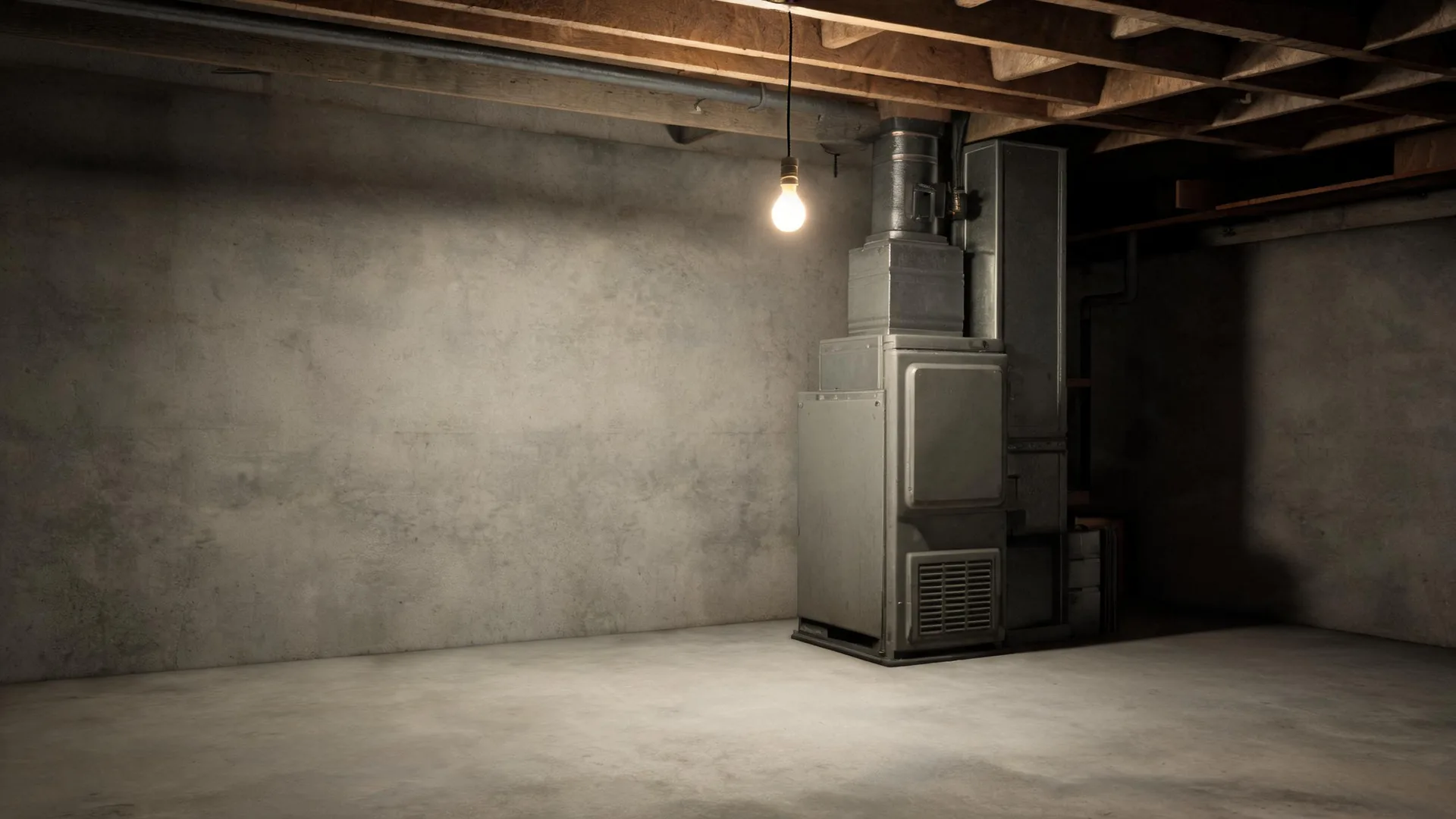
A gray residential gas furnace installed in an unfinished basement, surrounded by ductwork, a metal flue pipe, and a gas supply line.

The label tells you the ceiling, not what it burns on a mild day

The AFUE number on the label is a percentage. It tells you how much of the fuel burned becomes heat in the house, and how much goes out the flue instead. A furnace higher on that scale pulls more heat out of the same flame. That gap matters most on the days the furnace runs longest and hardest. On a mild day it barely has to work, so a lower and a higher rated unit burn close to the same amount to hold the house steady. The rating also doesn't drift over the life of the furnace the way a part can wear down. What does change the real number is upkeep. A dirty burner or a clogged filter makes any furnace work harder than its label promises.

Sizing is a calculation, not a guess from square footage

A contractor works out furnace size from a heat loss calculation. That means measuring the windows, the walls, the insulation, how the rooms are laid out. A big open house with good windows can need less furnace than a smaller house with old single pane glass and thin walls. Square footage alone tells you almost nothing.
Bigger isn't safer, it's harder on the house and the furnace

An oversized furnace blasts the house up to temperature fast, then shuts off, then kicks on again soon after. That short cycling wears out the ignition system and the blower faster than steady runs would. It also leaves rooms far from the thermostat too cold while the rooms nearby are already warm enough.

When you're comparing quotes, ask each contractor to walk you through how they sized the furnace, not just what model they're proposing. Ask what the warranty covers on the furnace itself versus the labor to fix it, since those often run different lengths and come from different places, the manufacturer and the installer. Ask how the new furnace will tie into your existing ductwork, since a furnace moves a certain amount of air and ducts that were sized for your old unit don't always match a different model without some adjustment. Ask what happens to your humidifier or air cleaner if you have one, since those sometimes need to be rewired or reinstalled when the furnace changes. A contractor who answers these plainly, with specifics about your house, is worth more than one who just quotes a price.

Installation day starts with the old furnace coming out, not the new one going in. The crew disconnects the gas line or the electrical feed, pulls the flue or vent pipe, and hauls the old unit out before anything new gets set in place. Once the space is clear, they check the ductwork and the vent sizing against the new furnace's specs, since those connections drive a lot of the work. Setting the furnace itself and running the gas line or wiring to it usually goes faster than people expect. The slower part is sealing the duct connections, hooking up the flue correctly, and wiring in the thermostat. Before the crew leaves, the furnace gets fired up and run through a full cycle so they can check the flame, the airflow, and that the thermostat is actually talking to the unit.