





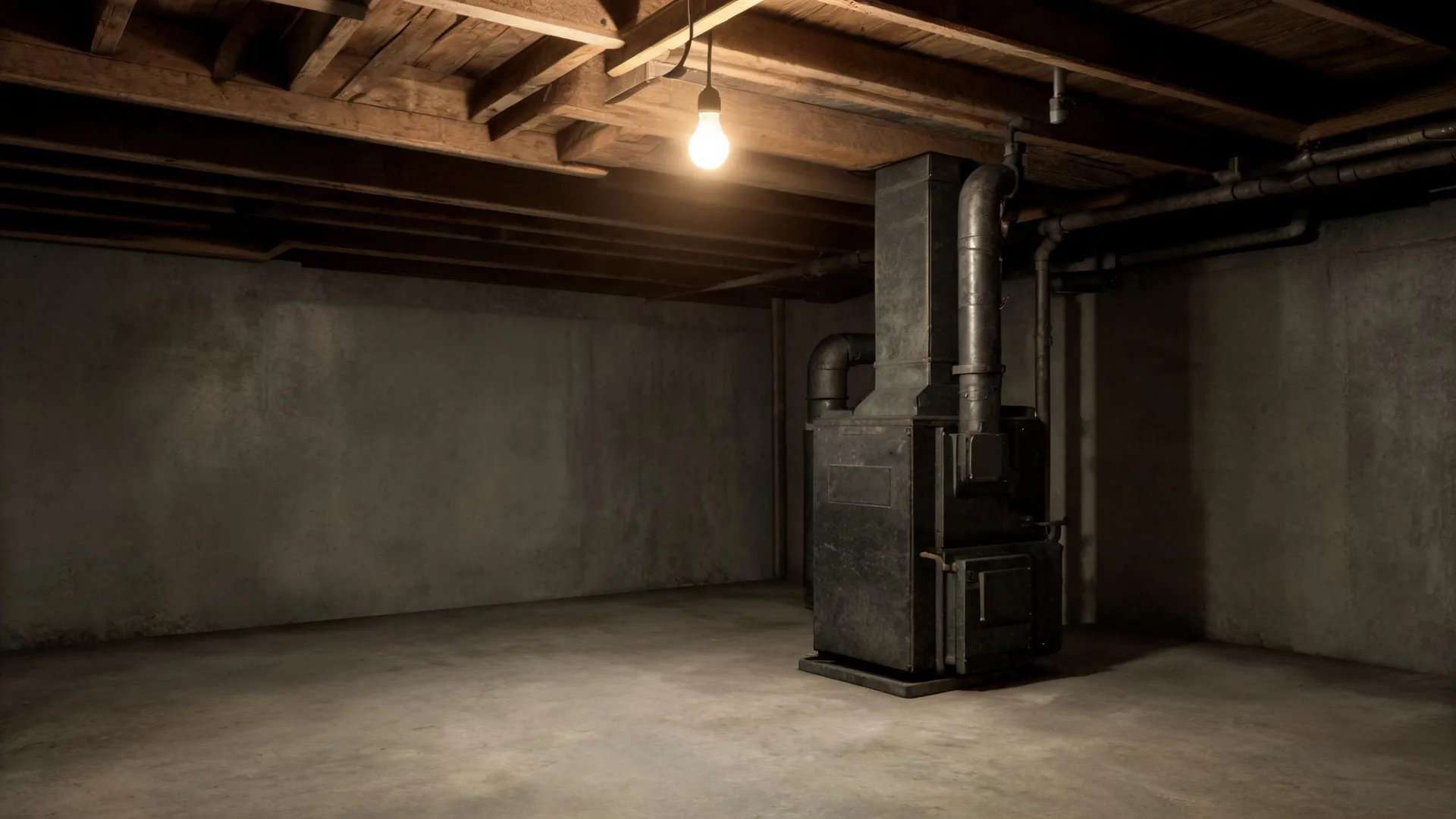
An unfinished basement containing a forced-air furnace with metal ductwork, exposed wooden ceiling joists, a hanging Edison bulb, and bare concrete floors.

Furnace Installation in Monticello, AR

Tell us about the job

Takes about a minute. No obligation.

New system or replacementFurnace or heatingDrew County, AR
Step 1 of 2

What ZIP code is the job in?

Most homes in Drew County heat with electricity, 61.3 percent of them. Gas is a distant second at 25.2 percent, with another 11 percent running on bottled or LP gas. If your house already has an electric furnace or heat pump, replacing it with the same setup is usually the straightforward call, since the wiring and ductwork are already sized for it. Switching fuel types means new gas lines or a new propane tank, so that's worth knowing before you start comparing quotes.

5 months
November through March, your furnace is on duty
36°F
the average winter night it heats against
80% AFUE
the federal minimum any new unit must meet
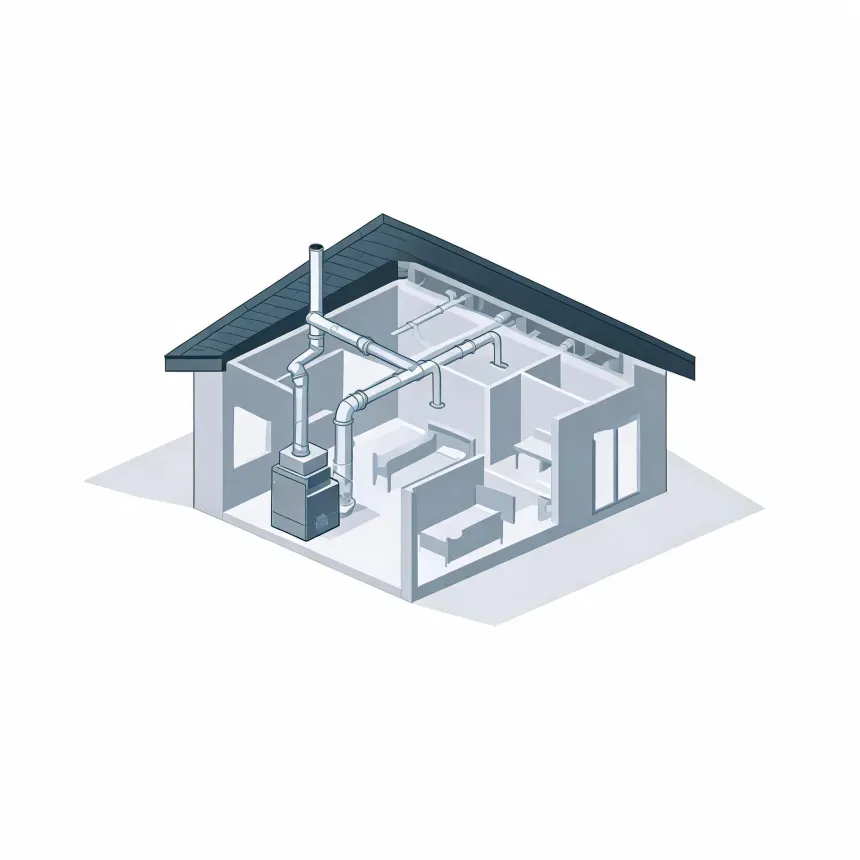
Isometric cutaway illustration of a small single-story house showing interior rooms, a furnace unit with a flue, and connected ductwork running below the dark gabled roof.
Your furnace works hardest from November through March.

NOAA nClimDiv, 1991–2020 normals

Electricity in Arkansas ran $36.10 per million Btu in 2024, cheaper than in most states.

A high-efficiency furnace costs more to install and takes longer to earn that back here, so pick yours on reliability and fit first.

No reason to size up or upgrade for this county

Half the homes here were built by 1985
Heat runs November through March
Winter nights average 36°F

October is the month to get this done in Drew County. Heat goes on in November and runs through March, so a furnace installed in October has had time for a proper job, not a rushed one. Whoever's doing the work can test it under load before you actually need it, and fix anything that's off while there's no pressure on either side. Wait until the first cold snap and you're calling around while everyone else is too, and whatever's installed that day is what you get.

Reliability first

Power is cheaper here, so the most efficient model takes longer to pay off. Reliability and fit matter more.

Find a contractor
A man in a cap, dark shirt and tan work pants walks up stone steps toward a dark blue front door, carrying a canvas tool bag, with a potted shrub beside the entry.
A gray high-efficiency gas furnace installed in an unfinished basement, surrounded by gas lines, a condensate drain, and sheet-metal ductwork.

Five months a year, nothing like a hard winter

Five months of heat, November through March, and most nights that's it stays above freezing by a few degrees. That's not hard duty for a furnace. It'll cycle on through the cold mornings but it isn't fighting single-digit nights week after week. Winter storms do pass through, so the system needs to hold up when one hits. It just doesn't need to run flat out to get through the season.

Sizing comes from a room by room heat loss calculation

A contractor measures each room, checks the windows and insulation, and figures out how much heat escapes on the coldest expected night. That adds up across the house to tell them what size furnace to install. Square footage alone doesn't get you there, a house built tight and a house built loose can need different sized furnaces even if they match on paper.
Too big is its own problem

An oversized furnace heats the house fast, shuts off, then starts again soon after. That short cycling wears out the igniter and blower motor faster than steady runs would, and it leaves rooms far from the furnace colder than the rest of the house. Right sized means it runs longer, steadier stretches and heats the place evenly.

The AFUE number on the label tells you how much of the fuel burning inside actually becomes heat in the house, and how much goes out the flue. A furnace rated higher wastes less gas doing the same job. That number matters a lot in a house running the furnace hard for months on end. It matters less somewhere the furnace only has to work a handful of weeks a year, since there's less fuel being burned in the first place for the efficiency to act on. Pair that with what electricity and gas cost locally and the rating tells you what you're actually trading off, not just what sounds better on paper.

Install day starts with the old furnace coming out. That's when anything hidden in the setup shows up, a flue that was never sized right or ductwork that's been patched one too many times. Good installers check the gas line and venting before they set the new unit in place, since those have to match the new furnace, not the old one. Setting the furnace and connecting the ducts, gas line and vent doesn't take most of the day. Checking the gas pressure, testing the ignition and making sure the blower moves the right amount of air takes longer than putting the unit in place. A furnace installed right gets watched through a few full cycles before anyone calls it done, not just switched on and left.