





White plantation-style houses with wraparound porches lit at night, surrounded by Spanish moss-draped live oak trees.

Furnace Installation in Clinton, AR

Tell us about the job

Takes about a minute. No obligation.

New system or replacementFurnace or heatingVan Buren County, AR
Step 1 of 2

What ZIP code is the job in?

Most homes in Van Buren County heat with electricity, close to six in ten. Bottled or LP gas comes next at 19.2 percent, with utility gas well behind that. If your home already runs on electric heat, an electric furnace keeps you on the setup the house was built for, no gas line to add. If yours is one of the LP homes, that fuel is common enough here that a contractor will have the parts and the experience with it. Either way, matching what's already there is usually the simpler job.

7 months
October through April, your furnace is on duty
30°F
the average winter night it heats against
80% AFUE
the federal minimum any new unit must meet
Isometric cutaway illustration of a small house showing a furnace unit connected to ductwork running through the interior and attic, with a chimney on the shingled roof and simple furniture in the rooms.
Your furnace works hardest from November through March.

NOAA nClimDiv, 1991–2020 normals

A furnace too big for the house shuts off before it's pulled the damp out of the air.

Sizing comes from a load calculation on the house itself, not the square footage of the old unit.

Get a furnace installed in September, before October's first cold night needs it

Heat runs October through April
Winter nights average 30°F
Climate zone 3A

Furnace here runs about seven months, October through April. Overnight lows average 30°F through December, January and February, cold enough to keep a furnace working but not the deep sub-zero stretches that push a system to its limit night after night. That's a moderate load. A furnace sized right for the house and kept up with yearly service should hold up well over its years. You don't need to pay for the highest efficiency tier on the market to get that. A mid-range, reliable unit matched to the house does the job here, and the money is often better spent on correct sizing and a clean installation than on the top-end model.

A standard furnace, sized right, is all this job needs

Electricity runs $36.10 per million Btu in Arkansas, and the winter load here is moderate, not extreme. A standard furnace, sized to the house and installed clean, covers it. No need to pay more for a top-end model when correct sizing does the real work.

Find a contractor
A gray residential gas furnace installed in an unfinished basement, connected to sheet-metal ductwork and PVC pipes.

A furnace sized for the house it's going into

Half the houses in Van Buren County were built in 1986 or earlier, half later, and that split cuts both ways when it's time to size a furnace. Older doesn't mean drafty, and newer doesn't mean tight. It means a contractor needs to look at the house in front of them, the walls and windows it actually has, rather than guess from its age. Mobile homes make up a fifth of the housing stock here, and those need a furnace built and sized for that kind of structure, not a scaled-down version of what goes in a site-built house. Once that's matched correctly, the system is sized right for the job either way.

The ductwork decides more than the furnace does

If the house already has ducts sized and sealed for the old furnace, the new one can go in fast, straight swap, same connections. If the ducts are undersized, leaky, or were never balanced right, bringing them up to spec before the furnace goes in is part of the job. That work costs more than the furnace itself most of the time.
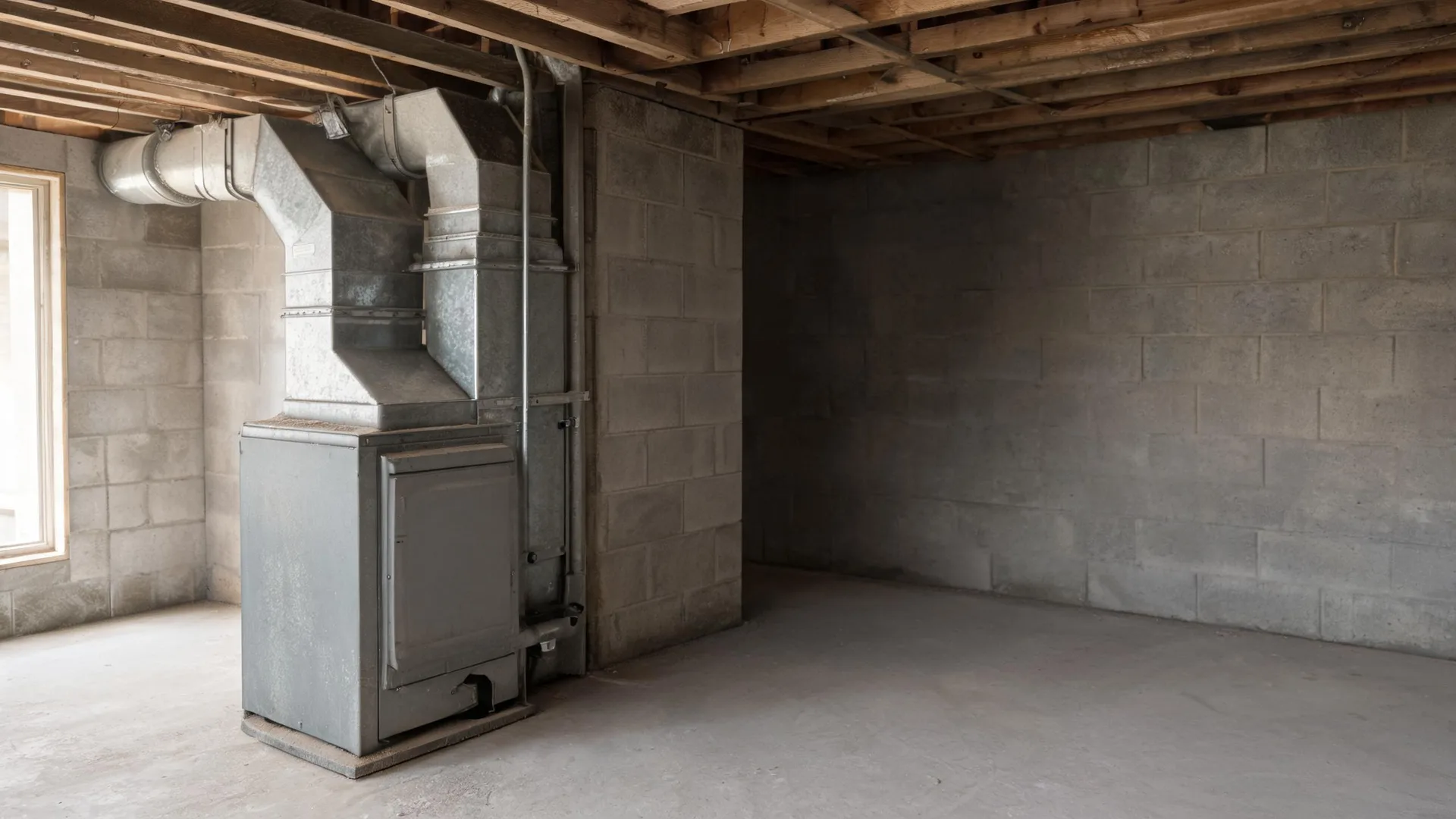
Where the furnace sits changes the labor

A furnace replacing one in the same spot, same venting, same gas or electric hookup, is a straightforward swap. Moving it to a new location, or changing from one fuel type to another, means new venting, new lines, sometimes new electrical. Each of those adds its own labor on top of the unit itself.

The old furnace gets disconnected from the gas or electric supply and the ductwork, then carried out before the new one goes in. If it runs on gas, the line gets capped and checked for leaks. The flue or vent connection gets sealed or removed too, so nothing's left open to the outside. A contractor hauling out an old unit should be able to tell you where it's going, most scrap it for the metal, since furnace cabinets are steel. If it has a gas valve or electrical components with any life left, some of that gets pulled for parts before the rest is recycled. None of it goes back into another furnace whole. Once it's out, the space gets cleared and checked before the new furnace is set in place and connected.

Once the old unit is out, the new furnace gets set in place and leveled before any connections are made. Gas or electric hookup comes first, then the duct connections, then the flue or vent. Each joint in the vent pipe gets sealed, since a leak there puts exhaust where it doesn't belong instead of outside. The gas line gets pressure tested if it's gas, checking for leaks before the unit ever fires. Electrical connections get checked against the furnace's own specs, not just wired in and left. Once everything's connected, the contractor fires it up and watches it run through a full cycle, checking the flame, the airflow at the vents, and the temperature rise through the furnace against what the manufacturer calls for. That last check is what tells them it's actually sized and set up right, not just installed.