Most homes here run on electric heat
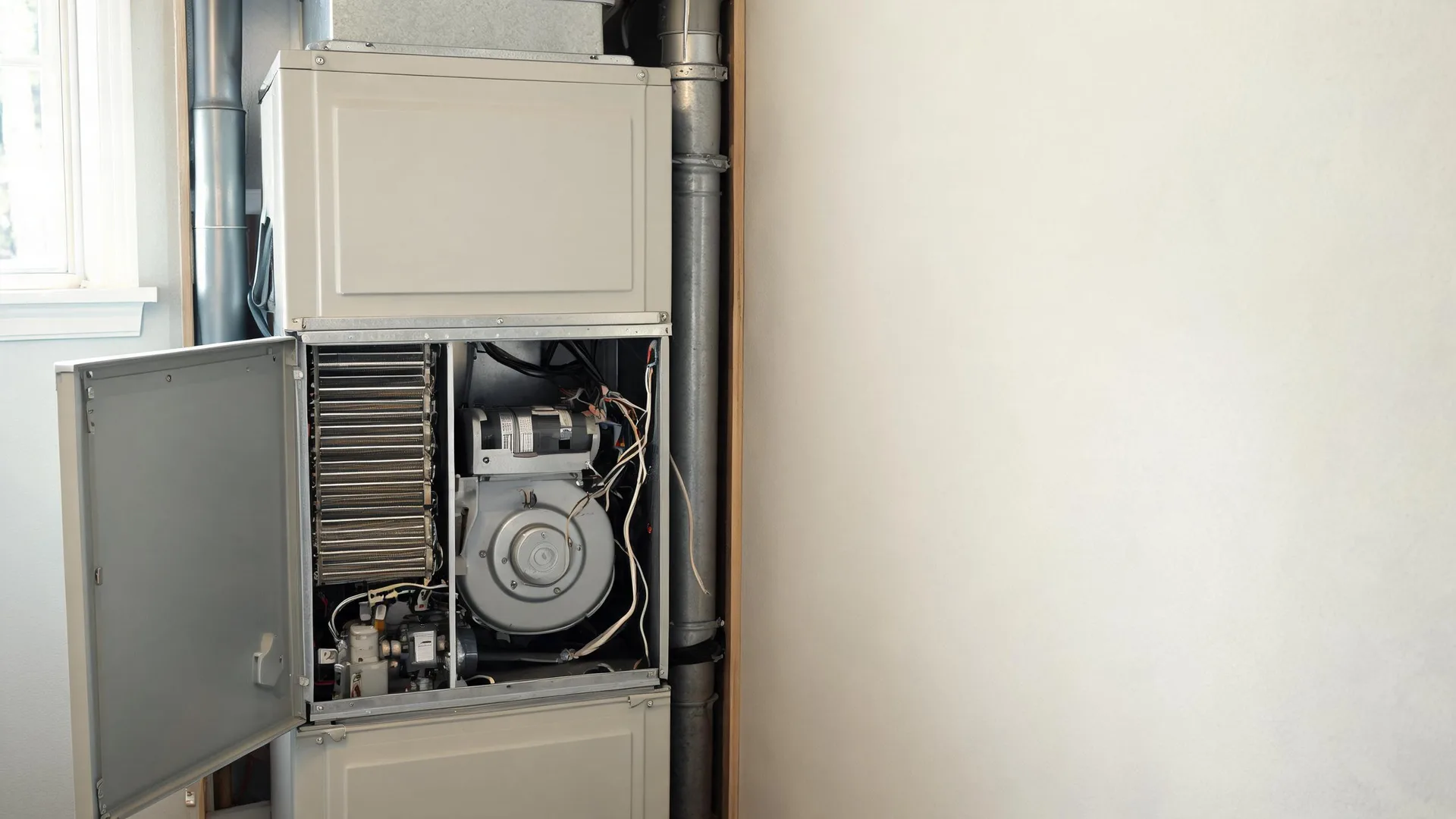
More than half of occupied homes in Ashley County heat with electricity, more than any other fuel. Gas furnaces come second at 36 percent. A heat pump or electric furnace puts this house in good company.
Takes about a minute. No obligation.
More than half of occupied homes in Ashley County heat with electricity, more than any other fuel. Gas furnaces come second at 36 percent. A heat pump or electric furnace puts this house in good company.
If this home already heats with electricity, a contractor can usually work with the wiring and setup already in place. Switching to gas means running a gas line that was never there, which is a bigger job with more to plan for.

NOAA nClimDiv, 1991–2020 normals
Ashley County sees its share of damaging wind and the occasional tornado.
None of that changes how a furnace gets installed. Standard sizing and venting hold up fine here.




Furnace here only has to work about five months a year, November through March. Overnight lows average 36°F through the coldest stretch of winter, which is cold enough to need real heat but not the kind of extreme that pushes a system to its limit night after night. That's a shorter, easier season than a lot of the country gets. A mid-range furnace sized right for the house will keep up fine without being pushed hard. There's not much case for paying more for top-tier efficiency when the system spends most of the year sitting idle.
Any furnace installed in Ashley County now has to hit 80 percent AFUE at minimum. That holds until December 2028, when the minimum jumps to 95 percent. A furnace manufactured today still only has to meet the rule in place on its build date, so there's a window left to install one that clears the current bar. A federal tax credit is also available for qualifying high-efficiency equipment, on top of whichever route you take.
Find a contractor
A contractor sizing a furnace for an older home has to work with what's already there, not a standard spec sheet. Ductwork put in decades ago was sized for whatever furnace ran then, and a new one needs to match that, not just the house. Worth asking the contractor to check the ducts before they quote the unit. If your home is a mobile home, which is the case for a fifth of the homes in the county, it follows its own sizing and venting rules separate from a standard install, so tell the contractor that upfront.
A furnace that's too big for the house cycles on and off instead of running a steady stretch, which wears the heat exchanger and leaves rooms uneven. Too small, and it runs constantly without catching up. The right size comes from a load calculation on the house itself, not a guess based on the old unit or the square footage alone. Ask to see the calculation, not just the number.
A furnace that's more efficient than the one it replaces often vents differently. Some pull combustion air from inside the house, others need a dedicated intake, and the pipe material changes depending on which type goes in. If the new unit needs more gas flow than the old one, the line and meter have to support it. These are things to settle before install day, not discover partway through.
The furnace itself is rarely the biggest line on the quote. Labor is. Running new venting, adjusting ductwork, upgrading the gas line or electrical if the new unit needs more than the old one supplied, all of that is work the equipment price doesn't cover. Cabinet size and venting type also vary between models. One that fits the existing closet or vents through the existing wall often costs less to put in than one that technically outperforms it on paper. Removing the old furnace adds to the job too, especially if it's tucked into a tight space the new one won't match exactly. None of this shows up in the sticker price of the equipment. It shows up in what it takes to get the new one running safely in that house.
The old furnace comes out first. If it was set into a closet or crawlspace, that step alone can take a while. Once it's clear, the gas line gets capped or hooked up fresh, and the vent pipe gets run or reused depending on what the new unit needs. The ductwork ties into the new unit's take off, and the electrical gets matched to what the new control board expects. A furnace needs its own circuit and a low-voltage line to the thermostat. Then comes startup. The contractor fires it up, checks the gas pressure, watches the flame, and runs the blower to feel for the right airflow at the vents. Before leaving, they should walk the house with you, show you the shutoff valve and the filter location, and point out what the thermostat does differently now. A furnace installed right shouldn't need attention again until the next filter change.