A row of single-story houses, one of red brick and others with light siding and a covered porch, behind a mown lawn and a trimmed hedge, under large moss-draped tree branches and an overcast sky.

Furnace Installation in Searcy, AR

Tell us about the job

Takes about a minute. No obligation.

New system or replacementFurnace or heatingWhite County, AR
Step 1 of 2

What ZIP code is the job in?

The size has to match the house

A furnace that's too big for the ductwork will short cycle, heating the house in bursts and wearing out its parts faster. One that's too small will run constantly and still leave rooms cold. Sizing it right takes a real look at the house, not just a swap for whatever was there before.

The ductwork decides more than the furnace does

If the existing ducts are too narrow, leaky, or poorly laid out, a new furnace still won't heat the house evenly. Sometimes the job is more than a furnace swap, it's modifying or sealing duct runs so the air actually gets where it needs to go.

6 months
November through April, your furnace is on duty
33°F
the average winter night it heats against
80% AFUE
the federal minimum any new unit must meet
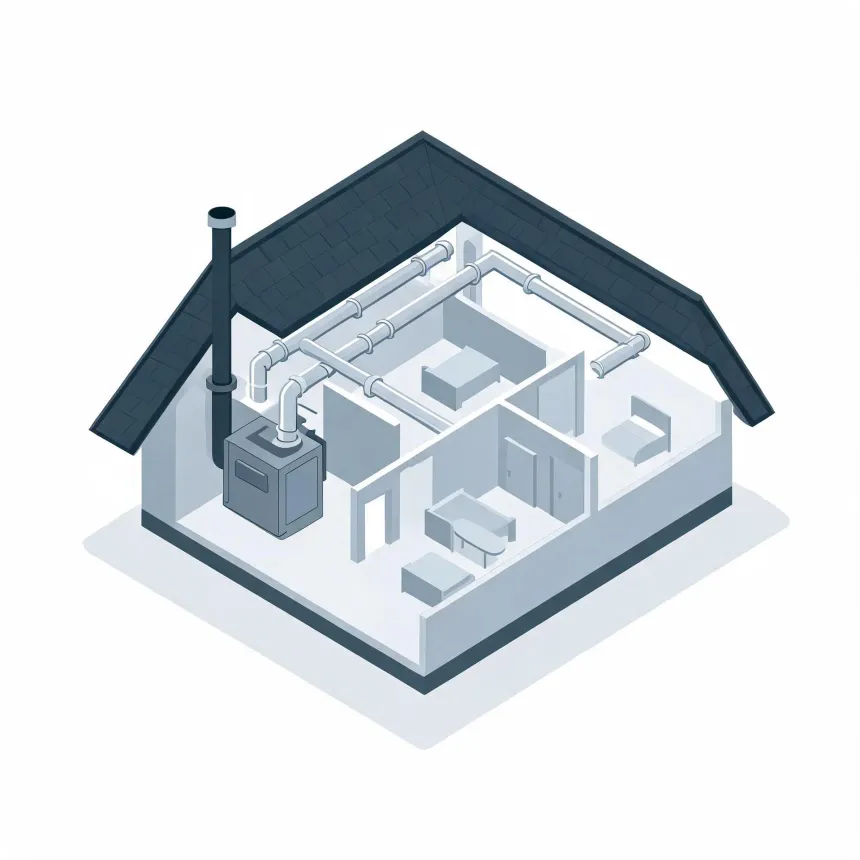
Isometric illustration of a cutaway house showing a dark furnace unit with a flue pipe and branching ductwork running through rooms with simple furniture under a dark gabled roof.
Your furnace works hardest from November through March.

NOAA nClimDiv, 1991–2020 normals

A furnace in Searcy runs about six months a year, November through April.

Six months of work a year means a dependable mid-range furnace will hold up fine, and you're not paying for capacity this house will rarely ask for.

Most homes here heat with electricity, so that's the safer bet to replace

63.8% of homes heat with electricity
Heat runs November through April
Winter nights average 33°F
Get it done before NovemberFurnace season runs November through April here, so October is the month to install.

Electricity in Arkansas runs about $36.10 per million Btu, cheaper than in most states. That changes the math on a furnace purchase. A high-efficiency model costs more up front, and the savings it earns back each month are smaller here than somewhere with pricier power, so it takes longer to pay for itself. That doesn't make it a bad choice, it just means efficiency shouldn't be the only thing you're shopping on. How well the furnace is built, how it's installed, and whether the contractor stands behind the work matter at least as much as the rating on the sticker.

Pick reliable, not top of the line

It won't be worked hard here, so pick a reliable system that fits. You don't need the top efficiency model.

Find a contractor
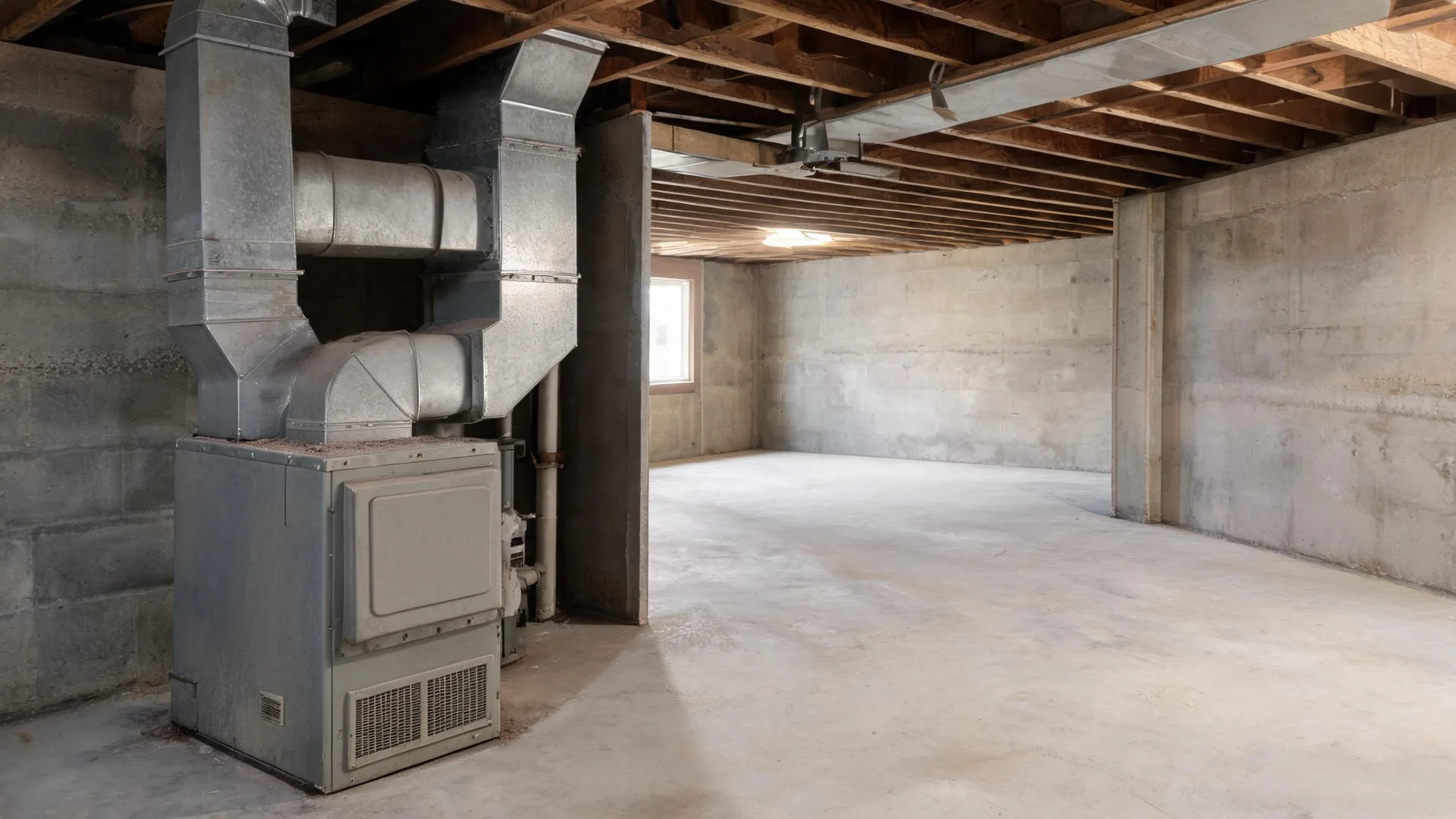
A gray gas furnace with attached ductwork and piping installed in an unfinished concrete basement.

Built for six months, not for a showroom

A mid-range furnace sized right for this house will carry the winter without trouble. Put the difference toward tighter ducts, a careful installation, a contractor who stands behind the work. Those decide how the house feels in January more than a rating on a sticker does.

Ask what the warranty actually requires

Most furnace warranties cover parts but not labor, and some are void if the furnace wasn't registered within a set window after install. Ask what's covered, for how long, and whether the contractor's own workmanship is guaranteed separately from the manufacturer's parts coverage. A furnace that fails on a part covered by warranty still costs you if the labor to replace it isn't.

Ask who is doing the load calculation

A contractor should size the furnace to the house, not match whatever was there before. Ask whether they're doing a room by room calculation or going off the old unit's rating. Ask how they're accounting for the ductwork already in place. A quote that skips this step is a guess dressed up as a number.

That rating on the label, AFUE, tells you what share of the fuel burning in the furnace turns into heat in the house versus what goes out the flue. A higher number means less waste at the furnace itself. It says nothing about your ductwork, your thermostat settings, or how well the house holds heat once it's made, which is why furnaces with the same rating can leave different houses feeling different. It's also not a measure of comfort or speed. A high-efficiency furnace doesn't heat the house faster or warmer, it just gets more heat out of the same fuel. Worth knowing before you let the sticker make the decision for you.

Install day starts with the old furnace coming out, not the new one going in. The contractor disconnects the gas line, the electrical, the flue venting, and the ductwork connections, then physically removes the unit. Only after that do they dry fit the new furnace and check it against the existing duct trunk and the flue. Expect them to run a combustion test once it's fired up, checking the gas pressure and the flue draft, not just that heat is coming out of the vents. They'll also check the return air opening and the plenum connections, since a furnace that's sized right still won't perform if the air can't get to it or away from it. A good installer walks you through the thermostat and points out the filter location before they leave. The furnace running is the easy part to see. The venting, the gas pressure, and the airflow checks are the parts that decide whether it keeps running right next winter.