

What winter actually asks of a heat pump here
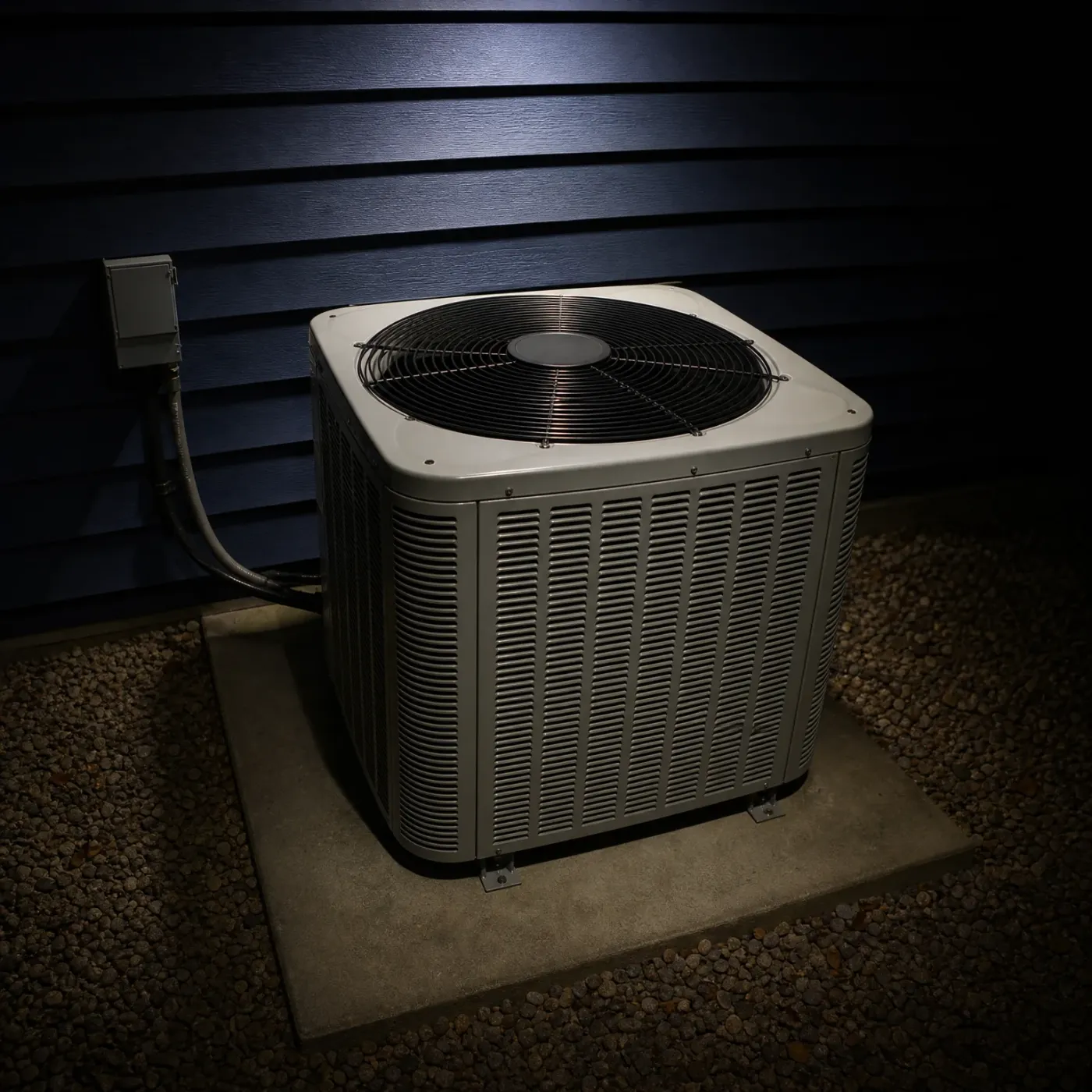
Your winter low averages 33°F, and that number is what this choice turns on. A standard heat pump puts out less than its rated heat once it's below 40°F outside, and often needs backup heat below about 35°F. Your average night is already under both marks. That doesn't rule a heat pump out. It means the real question is what backs it up on the cold nights, not whether it runs at all.
About 70 nights a year here hit freezing or below, out of roughly 180 nights across the six months the heat runs. That's under half. The rest of the heating season sits above the point where a standard heat pump starts to struggle, so for most of the winter here it's working at or near its full rated output.
What it almost never sees is real cold. Fewer than one night a year drops to 0°F in White County. A two winter field test of cold-climate heat pumps in occupied homes found that even near 0°F, backup heat covered only a small share of the load, and running on backup alone was rare above 0°F. White County's coldest nights don't get near that mark. Pair a heat pump with a cold-climate model built to the ENERGY STAR cold-climate spec, which holds at least 70 percent of its 47°F output at 5°F, and the 70 nights near freezing here stop being the weak point.
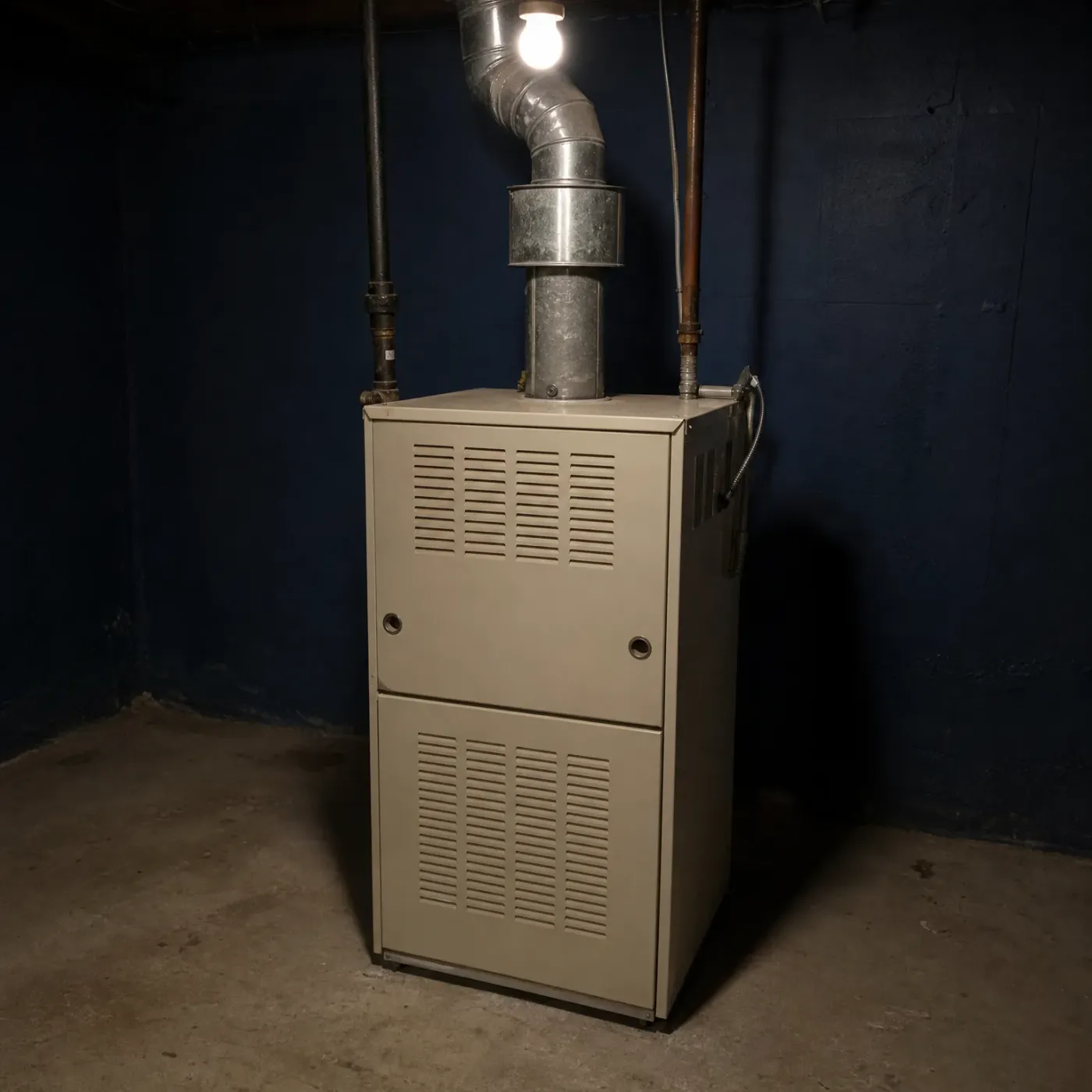
A furnace doesn't have this conversation with the weather at all. It burns gas, makes heat on demand, and the overnight low doesn't touch its output. That's the case for it in a county where winter is long but rarely severe: it performs the same on the coldest night as the mildest one.