




Night view of illuminated white Southern-style houses with wraparound porches beneath Spanish moss-draped oak trees.

Furnace Repair in Jonesboro, AR

Tell us about the job

Takes about a minute. No obligation.

RepairFurnace or heatingCraighead County, AR
Step 1 of 2

What ZIP code is the job in?

Half the homes in Craighead County were built in 1992 or later. If your house falls on that side of the line, your furnace probably isn't that old either. A furnace that age is usually worth fixing rather than replacing. Most problems at this age come down to a single part, like an igniter, a flame sensor or a pressure switch. Swapping one of those doesn't call for new equipment underneath it.

7 months
October through April, your furnace is on duty
32°F
the average winter night it heats against
11 winter storms
in ten years, the nights a failure hurts most
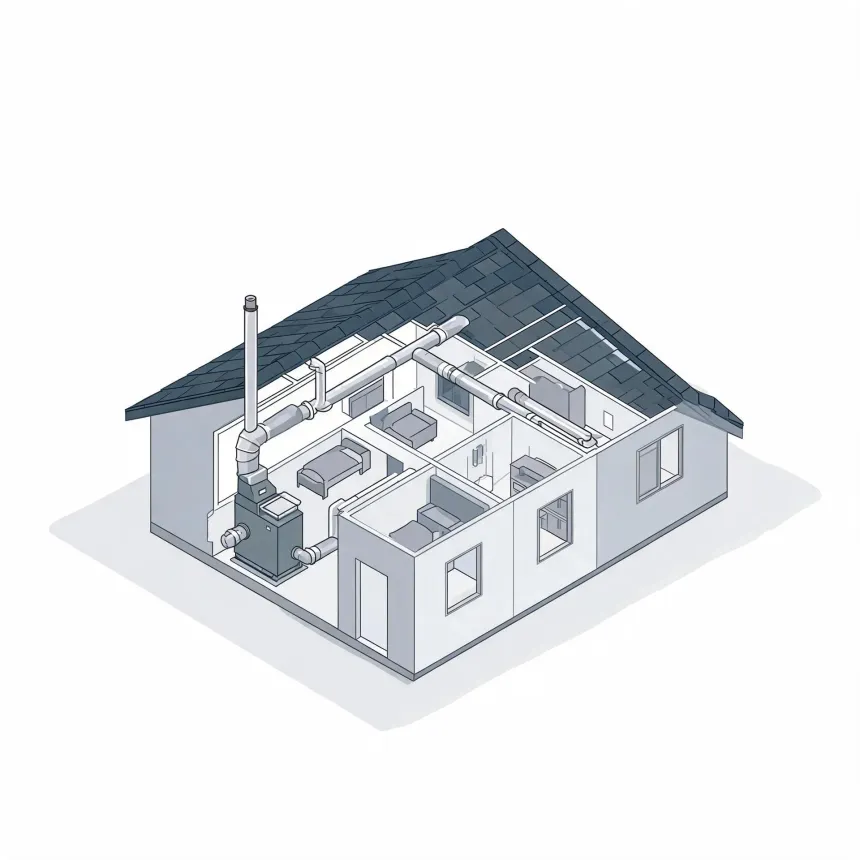
Isometric cutaway illustration of a single-story house showing interior rooms with furniture, ceiling ductwork, a furnace unit with a tall flue pipe, and a dark shingled roof.
Your furnace works hardest from November through March.

NOAA nClimDiv, 1991–2020 normals

A technician traces the problem before touching any part.

A real quote on parts comes only after that check.

Craighead County gets hit hard. Have the outdoor unit checked if it's taken a beating.

177 severe weather events from 2015 to 2024
24% of homes statewide lost power a day or more in 2024
91 damaging wind events from 2015 to 2024

Furnace here starts up in October. September is worth a look first, especially if yours struggled last winter. Problems usually show up in that first cold stretch, when the furnace finally has to work and a part that was already weak gives out. A cracked igniter or a failing pressure switch can sit quiet all summer and only fail under real load. Getting it looked at before October means fixing it on your schedule, not on the first cold night when you need the heat on.

Fix the part, not the furnace

Get the part replaced and keep the furnace you have. A newer house usually means a newer furnace, and at this age one bad igniter or pressure switch doesn't call for anything more than that.

Find a contractor
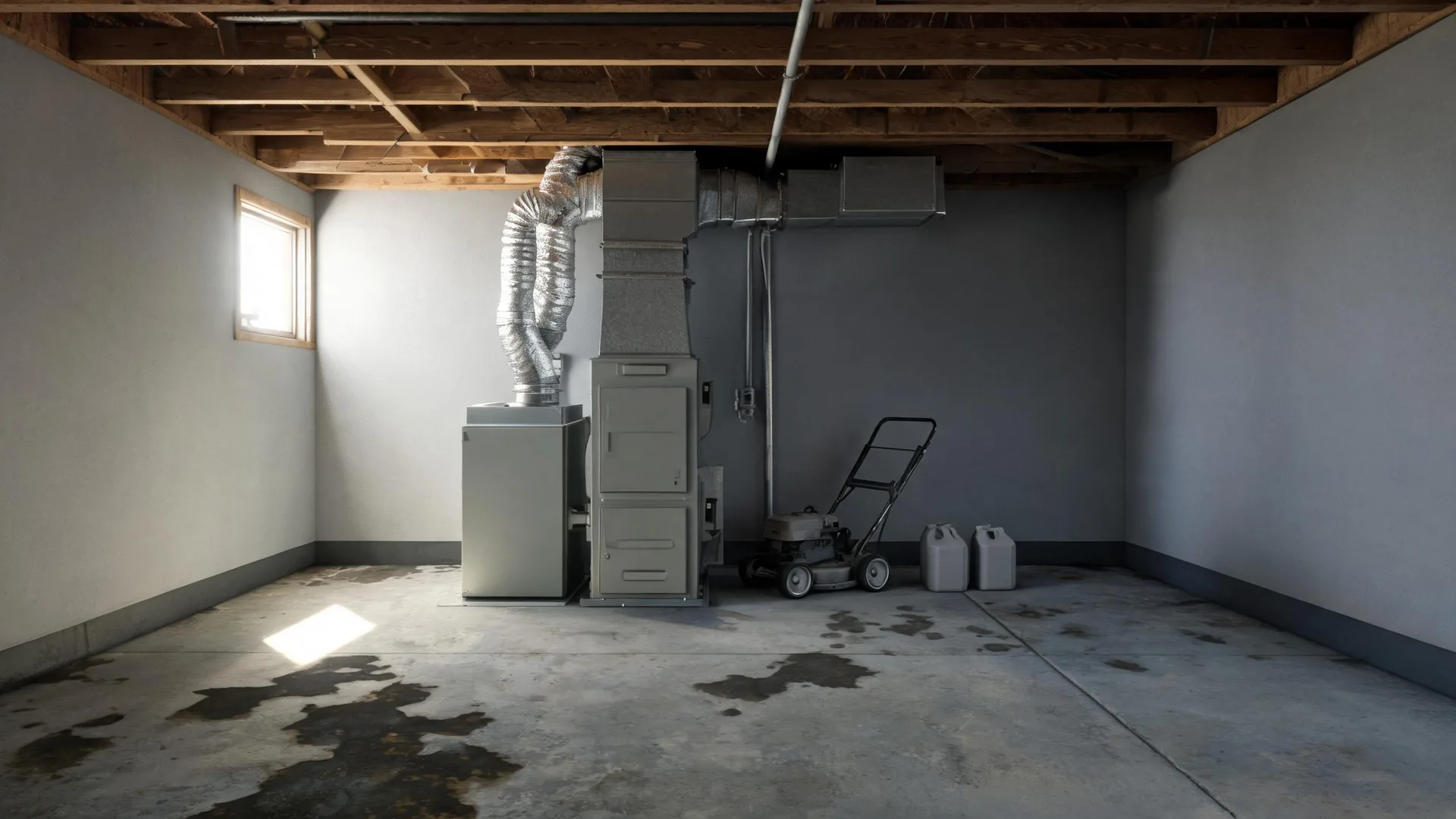
A gray residential gas furnace installed in an unfinished basement, connected to sheet-metal ductwork and PVC pipes.

Seven months on, the rest of the year off

Furnace here runs about seven months, October through April. The rest of the year it sits off, and that downtime is what keeps wear from piling up year after year. Winter nights average 32°F across December, January and February, not far below freezing, so the furnace isn't pushed to run flat out most of the season. A part that's struggling usually still has some life left in it. Worth fixing.

What you can check yourself

Check the thermostat first. Make sure it's set to heat and the set point is above room temperature. Check the air filter, a clogged one can starve the furnace of airflow and trip a safety switch. Look at the furnace switch, the one that looks like a light switch on or near the unit, and make sure nobody bumped it off. Check your breaker panel too. If the furnace has a standing pilot, see if it's lit.
What to leave alone

Don't open the burner compartment or touch the igniter. Don't reset a switch more than once, if it trips again that's the furnace telling you something is wrong downstream. Don't keep cycling the thermostat hoping it catches. If you smell gas, don't flip any switches at all, leave the house and call the gas company from outside. A furnace that short cycles or blows cold air after these checks needs a technician, not more troubleshooting.

Most furnace failures come down to a handful of parts wearing out, not the whole system giving up. The igniter is the one that fails most, it heats up every cycle and gets brittle over time until it cracks. The flame sensor gets a layer of residue built up on it and stops detecting the flame, so the furnace shuts itself off as a safety measure. A pressure switch can fail on its own or just be telling you the inducer motor or the vent is the real problem. Blower motors wear out from running hour after hour, and when they go you'll usually hear it before you see it. None of these mean the furnace is done, they're the parts built to wear out so the rest of the unit doesn't have to.

Age is the first thing to weigh, but it's not the only one. A furnace that's been well kept, filter changed, yearly checkup done, is usually good for another repair even in its later years. One that's been neglected, or has had a run of different parts fail over recent winters, is telling you something different. The question worth asking isn't just how old the furnace is, it's whether this failure stands alone or it's part of a pattern. A single part giving out is normal wear. Parts failing one after another, winter after winter, usually means the unit underneath them is tired, and that's when replacement starts to make more sense than another repair.