





An unfinished basement containing a forced-air furnace with metal ductwork, exposed wooden ceiling joists, a hanging Edison bulb, and bare concrete floors.

Furnace Repair in Cabot, AR

Tell us about the job

Takes about a minute. No obligation.

RepairFurnace or heatingLonoke County, AR
Step 1 of 2

What ZIP code is the job in?

Before you call anyone, check a few things yourself. Look at the thermostat first and make sure it's set to heat and the set point is actually above room temperature. Go to the furnace and check that the switch on or near it, the one that looks like a light switch, is flipped on. Check the filter while you're there. A filter packed with dust can choke airflow enough to shut the whole system down. If you have a gas furnace, make sure the gas valve is open and that any other gas appliances in the house are working too. Last, check the breaker. A furnace that trips its breaker more than once shouldn't be reset again and again, that's a sign for a tech to look at, not a homeowner.

5 months
November through March, your furnace is on duty
34°F
the average winter night it heats against
12 winter storms
in ten years, the nights a failure hurts most
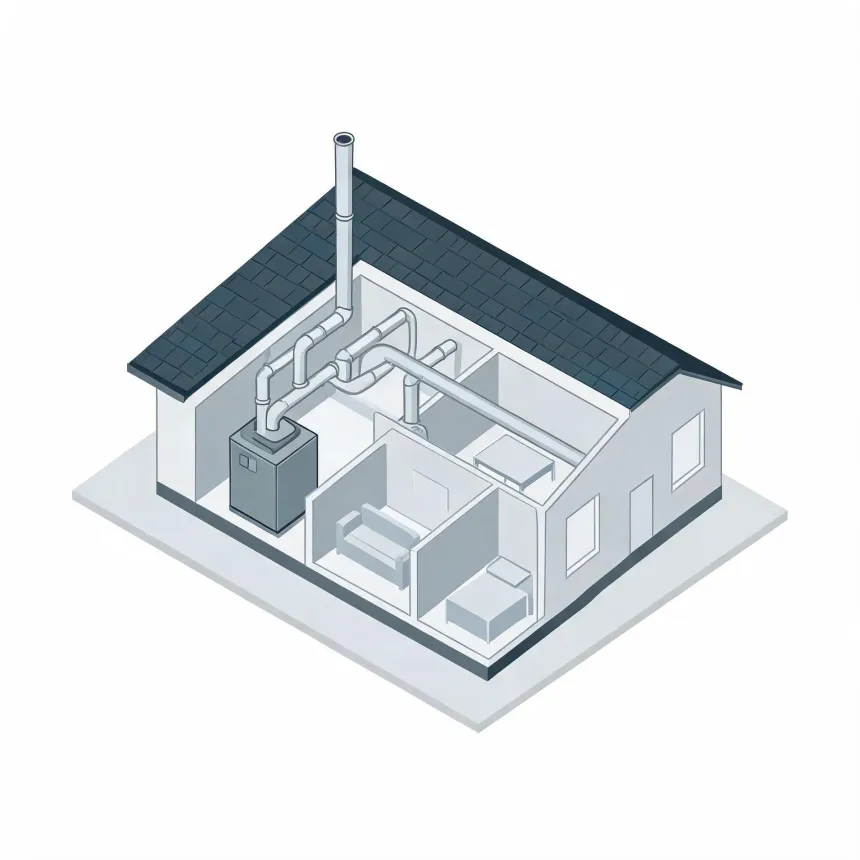
Isometric cutaway illustration of a single-story house showing a gray furnace connected to white ductwork and a flue pipe extending through the shingled roof, with simplified furniture in the interior rooms.
Your furnace works hardest from November through March.

NOAA nClimDiv, 1991–2020 normals

A cracked heat exchanger gets worse every time the burners fire.

Shutting the furnace off now keeps a bad part from turning into a bad system.

Half the furnaces in Cabot are younger than you'd think

Half the homes here were built by 1997
Heat runs November through March
Winter nights average 34°F
Five months of work a yearFurnaces in Lonoke County run November through March, with overnight lows averaging 34°F.

Furnaces in Cabot start working in November and keep running through March. The first cold snap is when a weak part usually fails, because that's the first time all season the system has to run long enough to show the problem. A furnace that sat idle since March can have a cracked heat exchanger, a bad igniter, or a clogged flue that nobody noticed until the burners had to run for hours instead of minutes. If yours is acting up in October, get it looked at before November, not after. Waiting until the first hard freeze to call means waiting in line behind everyone else whose furnace picked the same week to fail.

A five-month job is one most furnaces can still handle

Five months of real work a year is not much to ask of a furnace. Whatever is wrong with yours now is more likely a part that wore out than a system beaten down by the season. That usually makes it worth fixing.

Find a contractor
A gray high-efficiency gas furnace installed in an unfinished basement, surrounded by gas lines, a condensate drain, and sheet-metal ductwork.

What actually happens when a tech shows up

The tech starts by asking what the furnace was doing before it quit. Running loud, short cycling, blowing cold air, not starting at all, each one points somewhere different. Then the panel comes off and they check the obvious things first. Does the igniter glow. Does the inducer motor spin up. Does the gas valve open when it's supposed to. A multimeter on the igniter or flame sensor tells them in a minute whether a part is dead or just dirty. If the burners light but the furnace shuts down anyway, that usually means the flame sensor is coated and needs cleaning, or the gas pressure is off. If it never tries to light, the control board gets checked for a fault code and the tech traces back from there. A furnace that sat idle for months can also end up with something blocking the flue, so that gets checked too. None of this is guesswork. The furnace shows what's wrong once someone checks the right things in order.

The sounds tell you where to look

A furnace banging on startup usually means the burners are lighting late and igniting a pocket of built-up gas. Squealing points to the blower motor or its bearings. A rhythmic clicking with no ignition means the igniter is trying and failing. These sounds are worth describing to the tech, because they narrow down the problem before the panel ever comes off.
Short cycling wears out more than it fixes

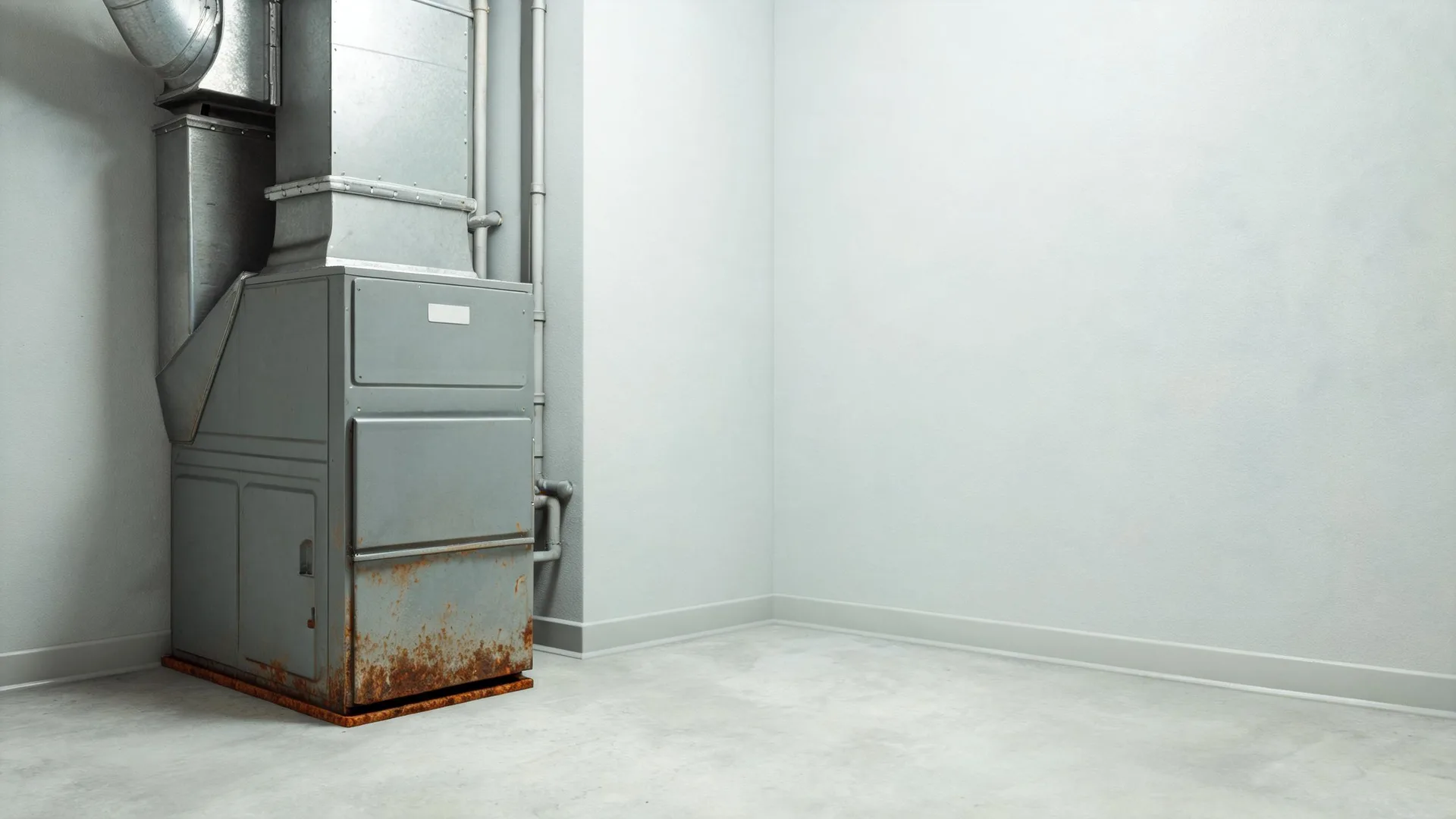
A furnace that fires up, runs a few minutes, then shuts off and starts again is short cycling, often from a dirty flame sensor, a cracked heat exchanger tripping a safety switch, or airflow problems from a blocked filter. Each short cycle stresses the igniter and the blower motor a little more. Left alone, the part causing it usually fails completely instead of getting better on its own.

Most furnace failures trace back to one of a handful of parts, and they fail for ordinary reasons. The igniter takes the most cycles of anything in the system, so it's usually the first thing to go, and it tends to go all at once rather than gradually. A flame sensor doesn't fail so much as get coated with a film that builds up over hundreds of cycles, which reads to the control board as no flame at all even though the burners are lit. Inducer motors wear out the way any motor with bearings does, running a little louder each season until they seize. A cracked heat exchanger is different from the rest, that's metal fatigue from years of heating and cooling, and it only shows up once a furnace runs long enough each day to flex it. Dirty filters cause their own kind of failure, not by breaking a part directly but by starving the system of airflow until something downstream overheats and trips a safety switch. None of these are rare or strange. They're the same handful of parts wearing out in the same handful of ways, which is why a tech who's seen it before can usually narrow it down fast.

A repair is worth doing when the failure is one part acting alone, the igniter, the flame sensor, the inducer motor, while the rest of the furnace is sound. Replacing one part on an otherwise healthy system is normal upkeep, not a stopgap. Replacement starts to make more sense when the furnace needs the same kind of visit every season, or when the part failing is the heat exchanger itself, since that one doesn't get fixed, it gets replaced along with a lot of what's around it. Age matters less than how the furnace has been running up to now. A furnace that's needed nothing for years and suddenly throws one bad part is still a good furnace. One that's had a parade of small repairs is telling you something about what's coming next, not just what already broke.