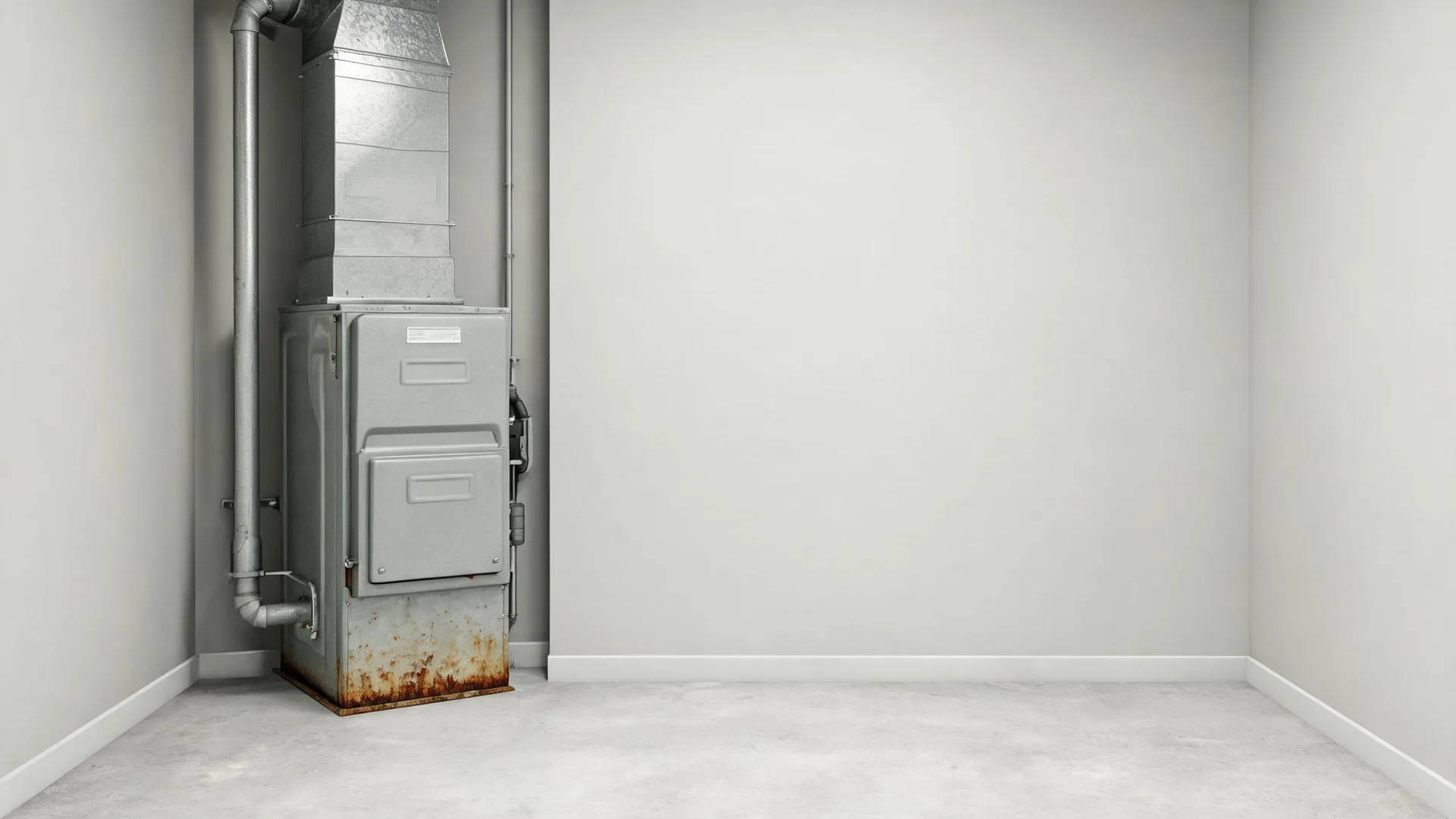
October is the month to get it looked at
Furnaces in Drew County sit unused since spring, then get asked to run every night once November comes. October is when to catch a weak igniter or a bad flame sensor before that happens.
Takes about a minute. No obligation.
Furnaces in Drew County sit unused since spring, then get asked to run every night once November comes. October is when to catch a weak igniter or a bad flame sensor before that happens.
A furnace that was already struggling often waits until the first real cold snap to show it. If yours is acting up in November, the problem was likely there all along, just not loaded yet.
NOAA nClimDiv, 1991–2020 normals
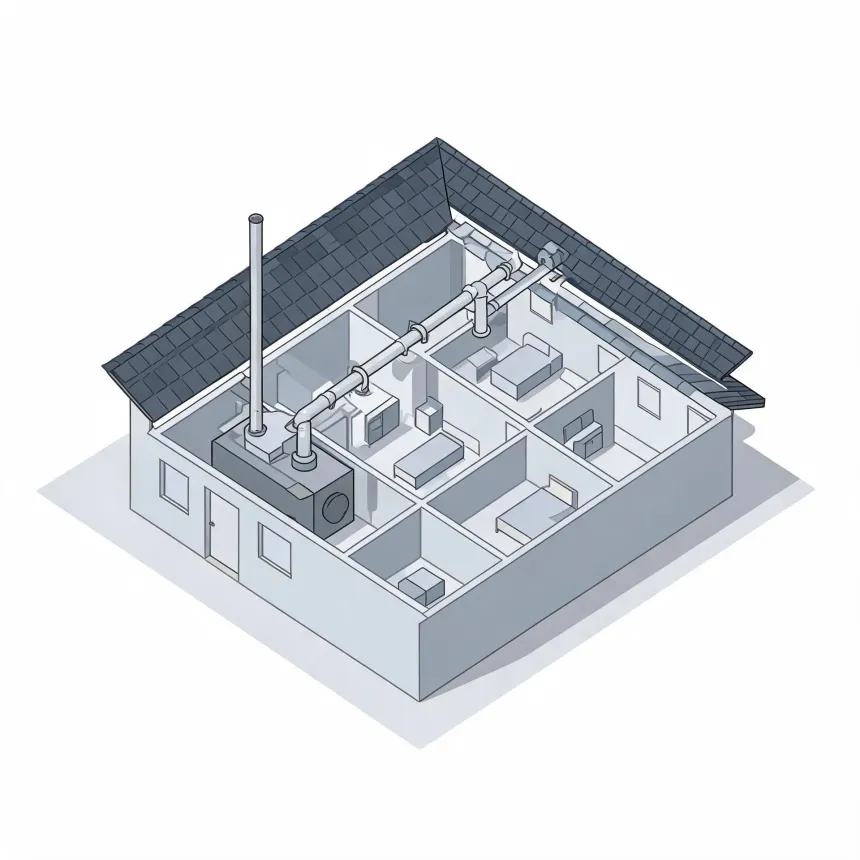
A furnace in Drew County only has to run about five months a year.
Less strain over its life means a repair is usually the right call, not a replacement.



Problems tend to show up in the first weeks of the season, when the load hits a part that was already weak.
Find a contractorA cracked heat exchanger gets worse under heat and cools back down between cycles. Keep running it and the metal keeps flexing at that crack until it opens further. A blower motor with a failing bearing is the same story. It runs hot, seizes a little more each cycle, and eventually locks up for good. A flame sensor coated in a little oxidation will still sense the flame, just weakly, so the furnace short cycles instead of quitting outright. Run it that way for weeks and the sensor only gets worse, and the on and off strain starts working against the ignition system too. None of these get better on their own because nothing in the furnace cleans or repairs itself while it runs. Shutting it down when something first seems off keeps a bad sensor or a worn bearing from turning into a cracked exchanger or a seized motor.
The furnace cycles on and off faster than it used to, or it blows air that never gets quite warm. Sometimes it just won't light, and you hear the blower kick on but no heat follows. A burning dust smell the first few times it runs is normal. A smell that lingers, or anything like rotten eggs, is not.
Short cycling, cool air from the vents, or a furnace that won't stay lit are all worth a call before you troubleshoot further. A gas furnace that won't light at all, trips its breaker, or puts out a smell that doesn't fade needs to be shut down and looked at before it's run again.
Most furnace failures trace back to one of a handful of parts. The igniter is usually first. It heats up every cycle and gets brittle with age, until one day it doesn't glow hot enough to light the gas. The flame sensor fails differently. It coats over with a thin film until it can't confirm a flame is there anymore. The blower motor usually goes through its bearings, and you'll hear that one coming, a grinding or whining that gets louder over weeks before it quits. A cracked heat exchanger matters more than the rest, because it's a safety problem and not just a comfort one, and you can't see it without the furnace apart. Capacitors, control boards and limit switches fail too, but less often, and usually only after something else has been straining the system for a while.
The part that failed tells you most of what you need to know. An igniter or flame sensor is a cheap, quick fix, and there's no reason to think about replacing anything over one. Those parts wear out on their own schedule and swapping one doesn't mean the rest of the furnace is close behind. A cracked heat exchanger is different, because it means the furnace has been running hot for a long time, and whatever caused that is probably still going on. The question worth asking isn't how old the furnace is, it's whether it keeps coming up with new problems each season. One failed part is a repair. A string of them, each a different part, means the furnace is wearing out all over, not just in the one spot that happened to go first.