Two illuminated white Southern-style houses with wraparound porches and staircases, framed by a Spanish moss-draped tree on a quiet street at night.

Furnace Repair in Little Rock, AR

Tell us about the job

Takes about a minute. No obligation.

RepairFurnace or heatingPulaski County, AR
Step 1 of 2

What ZIP code is the job in?

The igniter wears out first

Most furnace calls trace back to the igniter. It heats up every cycle to light the burners, and that constant heating and cooling eventually cracks it. A furnace that runs through a full cycle but never lights the burners usually means the igniter has failed.

A dirty flame sensor shuts the furnace down

The flame sensor tells the control board the burners are actually lit. Once it collects a film of soot, it can't sense the flame anymore, so the board shuts off the gas as a safety measure. The furnace will often start, run briefly, then stop on its own, which points straight at this part.

5 months
November through March, your furnace is on duty
33°F
the average winter night it heats against
50%
of homes here heat with gas, so most furnaces here burn gas
12 winter storms
in ten years, the nights a failure hurts most
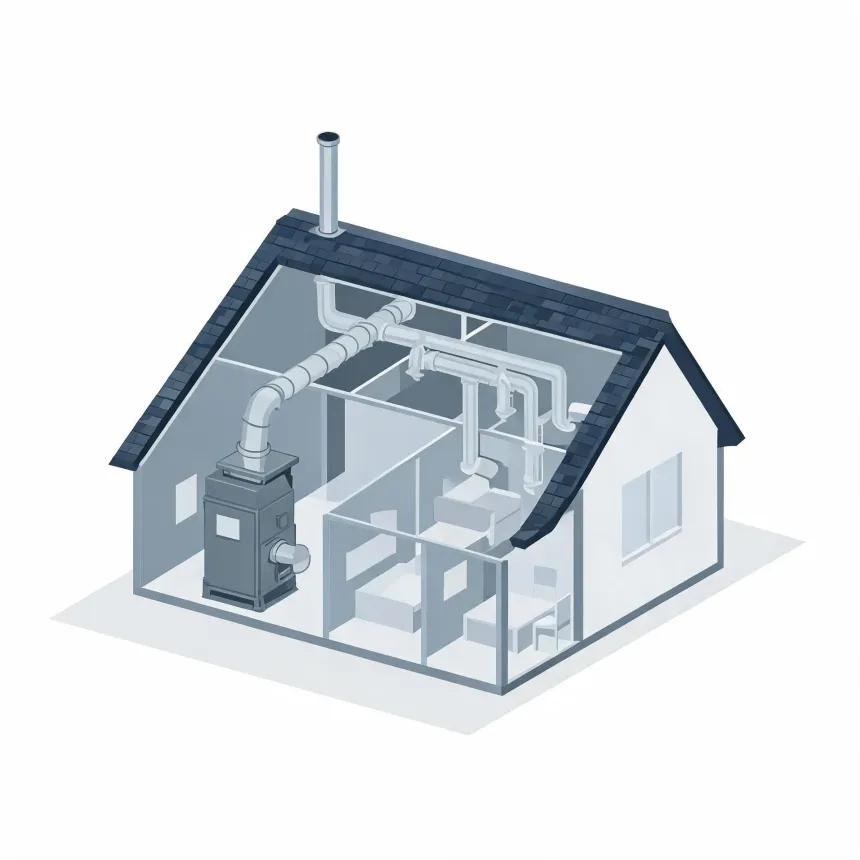
Isometric cutaway illustration of a small house showing a gray furnace unit with a flue pipe through the roof and branching ductwork running to rooms with simple furniture.
Your furnace works hardest from November through March.

NOAA nClimDiv, 1991–2020 normals

Furnaces in Pulaski County only run about five months a year.

A furnace that sits idle most of the year usually just needs a repair, not a replacement.

Little Rock sees 178 damaging wind events a decade. If your outdoor equipment took a hit, get it looked at

311 severe weather events from 2015 to 2024
24% of homes statewide lost power a day or more in 2024
178 damaging wind events from 2015 to 2024
A newer furnace, acting up, is still worth fixingHalf the homes in Pulaski County were built in 1981 or later.

Before you call anyone, check the thermostat first. Make sure it's set to heat and the setpoint is above room temperature, and if it runs on batteries, swap them even if the display still lights up. Next, go to the furnace itself and check the air filter. A filter clogged with dust chokes off airflow, and some furnaces will shut themselves down rather than overheat the heat exchanger. Check that the switch on the furnace housing, the one that looks like a light switch, is flipped on, since it's easy to bump off during other work nearby. If the furnace has a standing pilot, look for the small flame through the viewing window. If it's out, the manual usually walks you through relighting it. Last, check your breaker panel for a tripped breaker feeding the furnace. None of this takes special tools, and it rules out the simple stuff before you pay someone to find it for you.

Fix it and keep going

A furnace built with the house still has most of its life ahead of it. Get the repair done and expect it to keep running for years after.

Find a contractor
A man in a cap, navy long-sleeve shirt and tan work pants carries a canvas tool bag up steps toward a dark front door, with a potted shrub beside the porch.
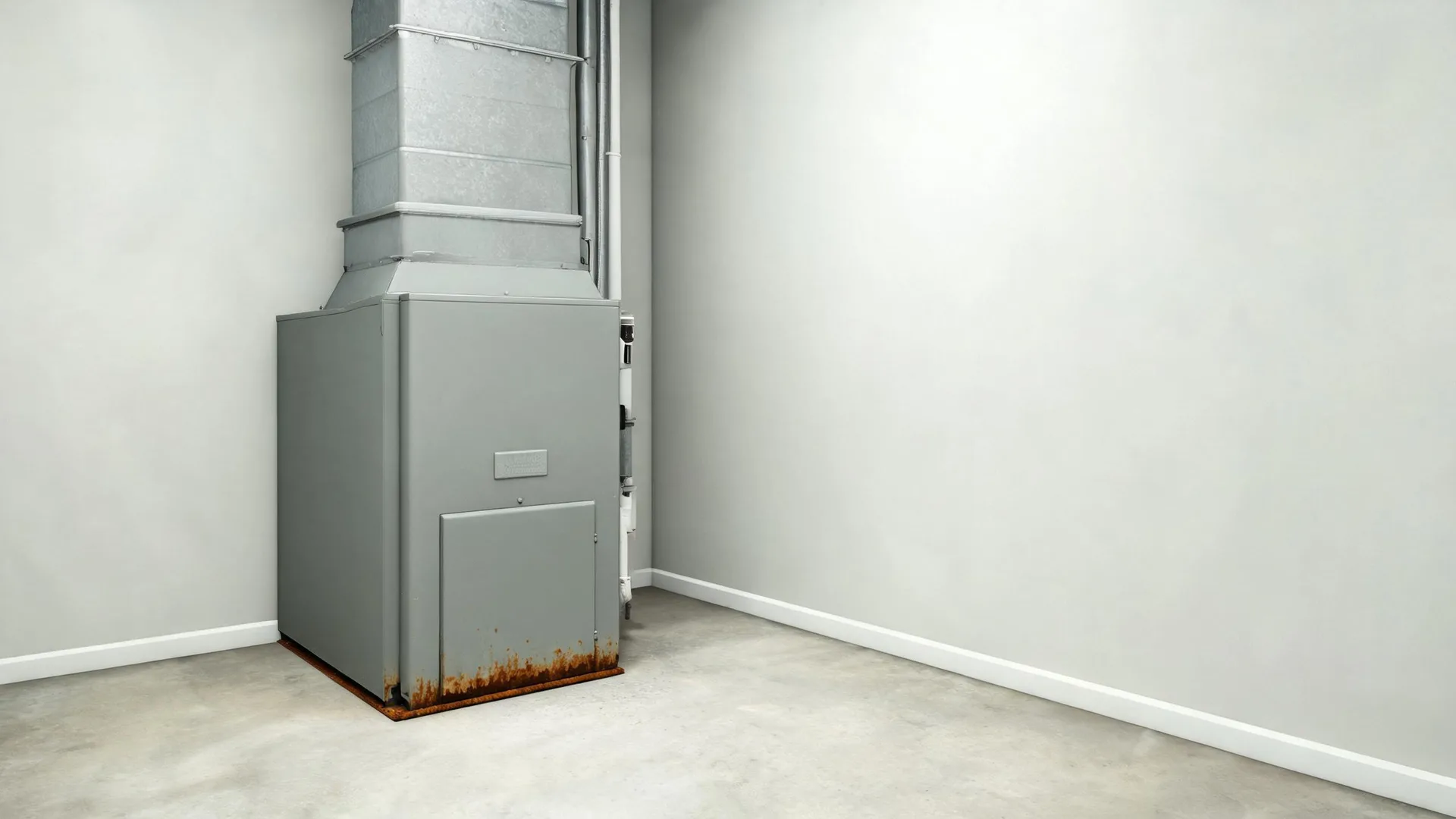
A gray gas furnace with attached ductwork and piping installed in an unfinished concrete basement.

One repair fixes a furnace. A string of them tells you something else

A furnace either lights, heats, and shuts off clean, or it doesn't. That's really the whole test. If it's doing its job and only one part failed along the way, replacing that part brings it right back to normal, because the rest of the furnace isn't wearing out at the same pace. The blower motor, the heat exchanger, the gas valve, these don't fail on a schedule. They fail when something specific goes wrong with them. So a furnace that's heated a home reliably for years and suddenly won't light isn't on its way out, it just has one bad part. The harder case is the furnace that needs something fixed every season, a new blower one year, a pressure switch the next. That pattern usually means the heat exchanger is cracked or the furnace was never sized right for the home, and each repair is patching a different symptom of the same root problem. When that's happening, replacing the failed part again doesn't buy much time before the next one goes.

Short cycling wears on more than your patience

A furnace that fires up, runs for a couple minutes, then shuts off and starts again is struggling to stay lit or struggling to stay running. Either way, the stopping and restarting puts more wear on the igniter and blower than a normal full cycle would. The longer it goes on, the more likely something else gives out.

Strange smells and sounds mean call now, not later

A burning dust smell in the first minutes of the season is normal and clears on its own. A smell that lingers, or smells like metal or gas, doesn't. Same with sounds. A bang when the burners light usually means delayed ignition, where gas builds up before catching. That stresses the heat exchanger every time it happens.

A gas furnace and sheet-metal air handler unit installed in an unfinished concrete basement.

A new furnace would cut about $110 a year off heating for a typical Pulaski County home.

  • A new high-efficiency furnace$520 a year
  • An older furnace$630 a year

Estimates for a typical Pulaski County home, compared with an older unit built to the previous federal minimum, from EIA household energy data, Arkansas fuel prices and NOAA climate normals. Your home will differ.

Repair makes sense when one part has failed and the heat exchanger is sound.

Replacement makes sense when the heat exchanger is cracked or the furnace keeps needing parts.

A diagnostic visit starts with questions before any panel comes off. A tech wants to know what the furnace is doing, when it started, and whether anything changed around the same time, because that narrows down where to look first. Next comes a visual check inside the cabinet, looking for scorch marks, loose wiring, or a flame burning the wrong color. Most of the real testing happens with a multimeter, checking the igniter for continuity, confirming the flame sensor is reading current while the burners run, and checking that the pressure switch is doing its job. Gas pressure gets checked at the valve too, since too much or too little changes how clean the burners light. The last step is watching the furnace run a full cycle, because some problems only show up once it's been running a while, not right at startup.