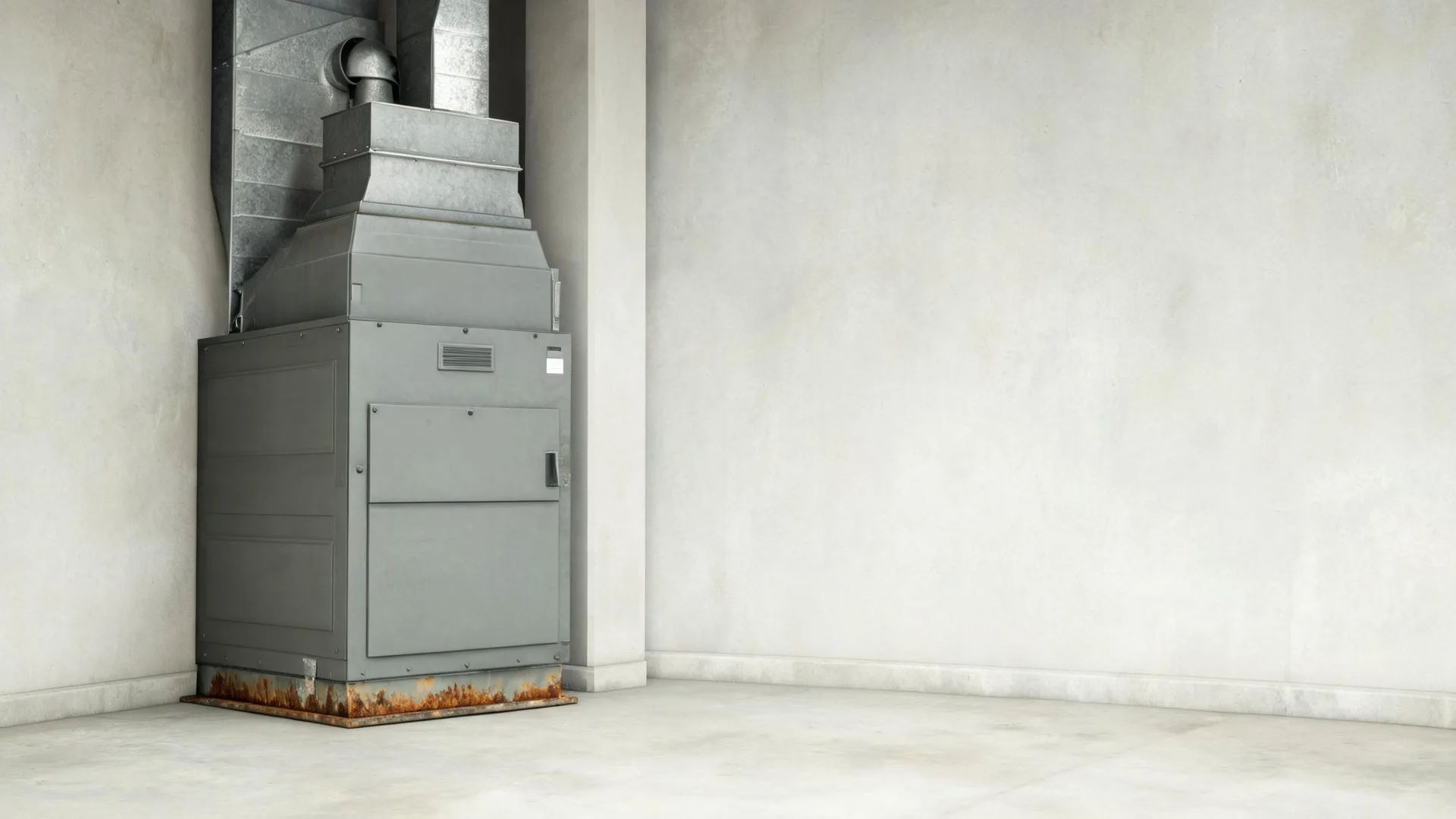
October is the month to get it looked at
Furnaces in Arkansas County sit unused since spring. October gives a tech time to find a weak igniter or a bad flame sensor before you're relying on it every night.
Takes about a minute. No obligation.
Furnaces in Arkansas County sit unused since spring. October gives a tech time to find a weak igniter or a bad flame sensor before you're relying on it every night.
The first real cold snap puts full load on a furnace that's been idle for months. If a part was already failing, this is when it quits.
NOAA nClimDiv, 1991–2020 normals
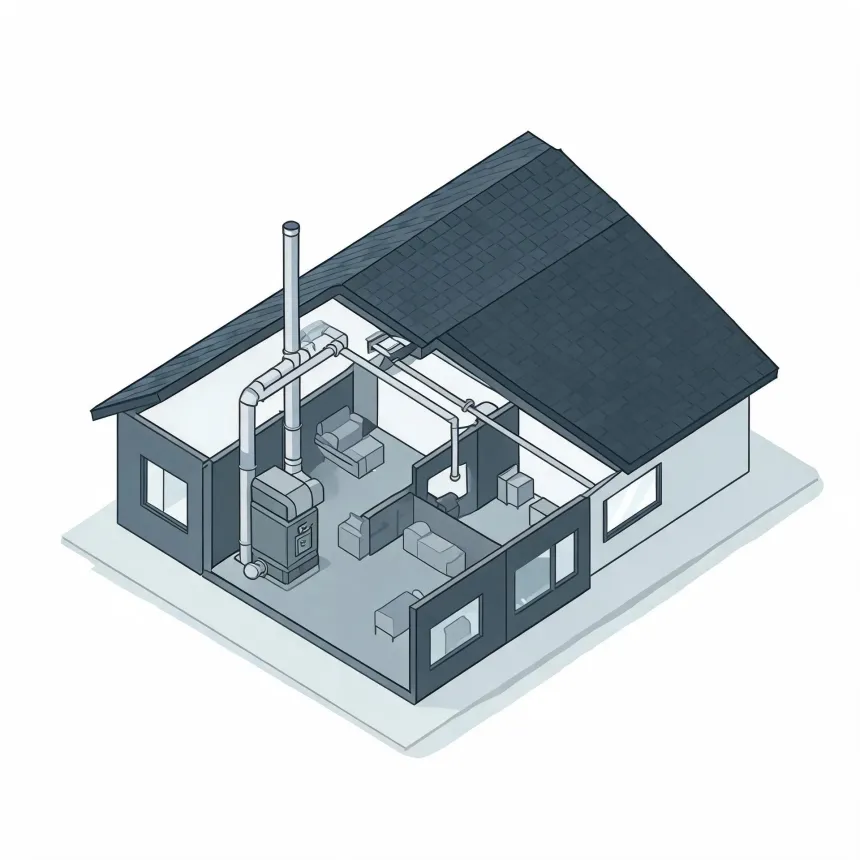
A furnace in Arkansas County only runs five months a year, November through March.
A furnace with that little work behind it is usually in decent shape underneath, so a repair more often brings it back for good.



Half the homes in Arkansas County were built in 1978 or earlier, and that alone doesn't make a furnace harder to fix. Older ductwork and an older furnace aren't the same thing. Plenty of houses from that era have had the furnace replaced since, and what matters is whether yours is original to the house or came in later. That's worth knowing before a tech opens the panel. Mobile homes make up a real share of the housing here too, and those run a furnace built to fit the space, so it helps to mention that when you call for service.
Your furnace has been sitting idle since spring, which means whatever's wrong with it now is likely a part that failed, not a system that's worn out. That's a good reason to get it fixed rather than replaced.
Find a contractor
A furnace left off for months doesn't announce a problem right away. You hear it first. A bang or thump when the burners light. A rattle from the blower. A screech on startup that fades once the motor warms up. Short cycling is another sign worth knowing. The furnace fires, runs a few minutes, and shuts off before the house warms up. That points to a clogged filter, a cracked heat exchanger, or a flame sensor that's coated and reading the flame wrong. Cold air out of the vents while the furnace is running usually means the igniter isn't lighting the burners or the gas valve isn't opening all the way. None of these get better with more run time. They get worse, or they get fixed.
Pull it out and hold it up to a light. If you can't see through it, air can't get through it either. A blocked filter chokes the blower and can cause the short cycling and cold air problems already described. This is the one check that's free and takes a minute.
Make sure it's set to heat, not just on, and that the temperature is actually set above room temperature. Then find the furnace's power switch, often it looks like a regular light switch near the unit, and confirm it's on. Also check the breaker. These sound too simple to matter, but they get missed more than you'd think.
Most furnace failures come down to a handful of parts, and they tend to fail the same ways every time. The igniter is the one that goes most often. It's a thin strip that heats up to light the burners, and after enough cycles it cracks and stops glowing hot enough to catch the gas. A flame sensor fails differently. It doesn't break so much as get dirty, a film builds up on the rod from normal combustion, and the furnace reads that as no flame and shuts itself down as a safety measure. Blower motors wear out from bearings going bad, which shows up as noise before it shows up as no airflow at all. The heat exchanger is the one that matters most, because a crack in it isn't just an inconvenience, it's a path for exhaust to mix with the air moving through your house. None of these fail because a furnace is old on paper. They fail because a part reached the end of its working life, and that can happen to a furnace of any age.
A diagnostic visit starts with the tech running the furnace through a full cycle, watching it do whatever you described on the phone. The bang on startup, the short cycling, the cold air. Some of these only show up once the burners are lit and the blower's actually moving air, so that first cycle matters. From there the tech works through things in order. Check the flame, check how the sensor is reading it, pull the igniter and look for a crack, check gas pressure, look inside the heat exchanger with a camera since you can't see it from outside. A furnace either lights clean and holds a flame or it doesn't. The tech is narrowing down which part in that chain stopped doing its job. At the end you get told what was found, what it means, and what it takes to fix it.