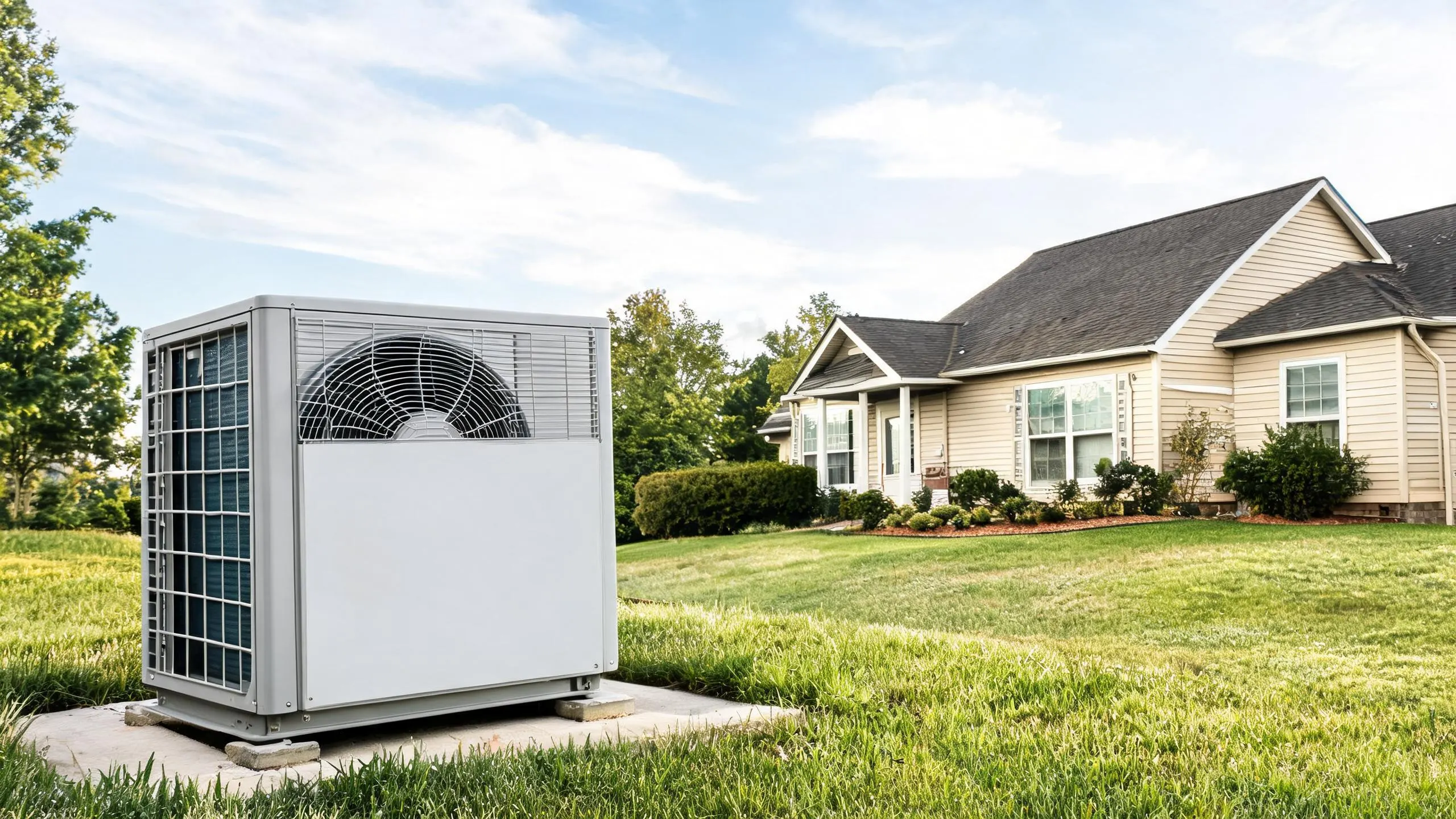




An outdoor heat pump unit mounted on a concrete pad in front of a single-story suburban house with beige siding.

Heat Pump Repair in Blytheville, AR

Tell us about the job

Takes about a minute. No obligation.

RepairHeat PumpMississippi County, AR
Step 1 of 2

What ZIP code is the job in?

A heat pump works harder than a regular furnace or AC because it runs in both directions all year, and that wear shows up in a few predictable places. The reversing valve is a common one. It's what switches the system between heating and cooling, and when it sticks, you get heat when you want cool or no heat at all on a cold morning. The defrost board and sensor are another weak point, since the outdoor coil has to shed frost regularly and a bad sensor leaves it iced over, choking off airflow. Low refrigerant charge from a slow leak will also show up as weak heating long before it ever trips an alarm. And because the outdoor unit sits outside year round, the fan motor and capacitor take a beating from heat, cold and moisture, and tend to fail before indoor components do.

7 months
October through April, your system heats
5 months
May through September, it cools
33°F
the average winter night it heats against
89°F
the average summer afternoon it cools against
Isometric line illustration of a cutaway single-story building showing interior rooms, ceiling ductwork, an indoor air handler, and an outdoor condenser unit connected by refrigerant lines.
Your system heats October through April and cools May through September.

NOAA nClimDiv, 1991–2020 normals

Heat runs October through April here, seven months on the system.

A heat pump with a weak part tends to show it in September, right before the cold hits.

Half the homes here are older, but that's not what wears out a heat pump

Half the homes here were built by 1977
Power costs 12.32 cents a kWh statewide
Climate zone 3A

Age matters more than any single symptom. A heat pump that's still young is usually worth fixing almost no matter what's wrong, since the cabinet, coils and ductwork still have plenty of life left and a repair bill is small next to a full replacement. An older unit changes the math. A compressor failure late in a system's life is often the moment to stop repairing, since the compressor is the most expensive part in the system and a failure there tends to mean other parts aren't far behind. Smaller fixes, a capacitor, a contactor, a defrost sensor, are worth doing almost regardless of age, since they're quick and cheap next to a new system. The harder case is a unit that keeps coming back for service, a different small failure every year or so. At some point the pattern itself is the answer, even if each repair looks minor on its own.

Get it looked at early

Problems tend to show up in the first weeks of the season, when the load hits a part that was already weak.

Find a contractor

What you'll notice first

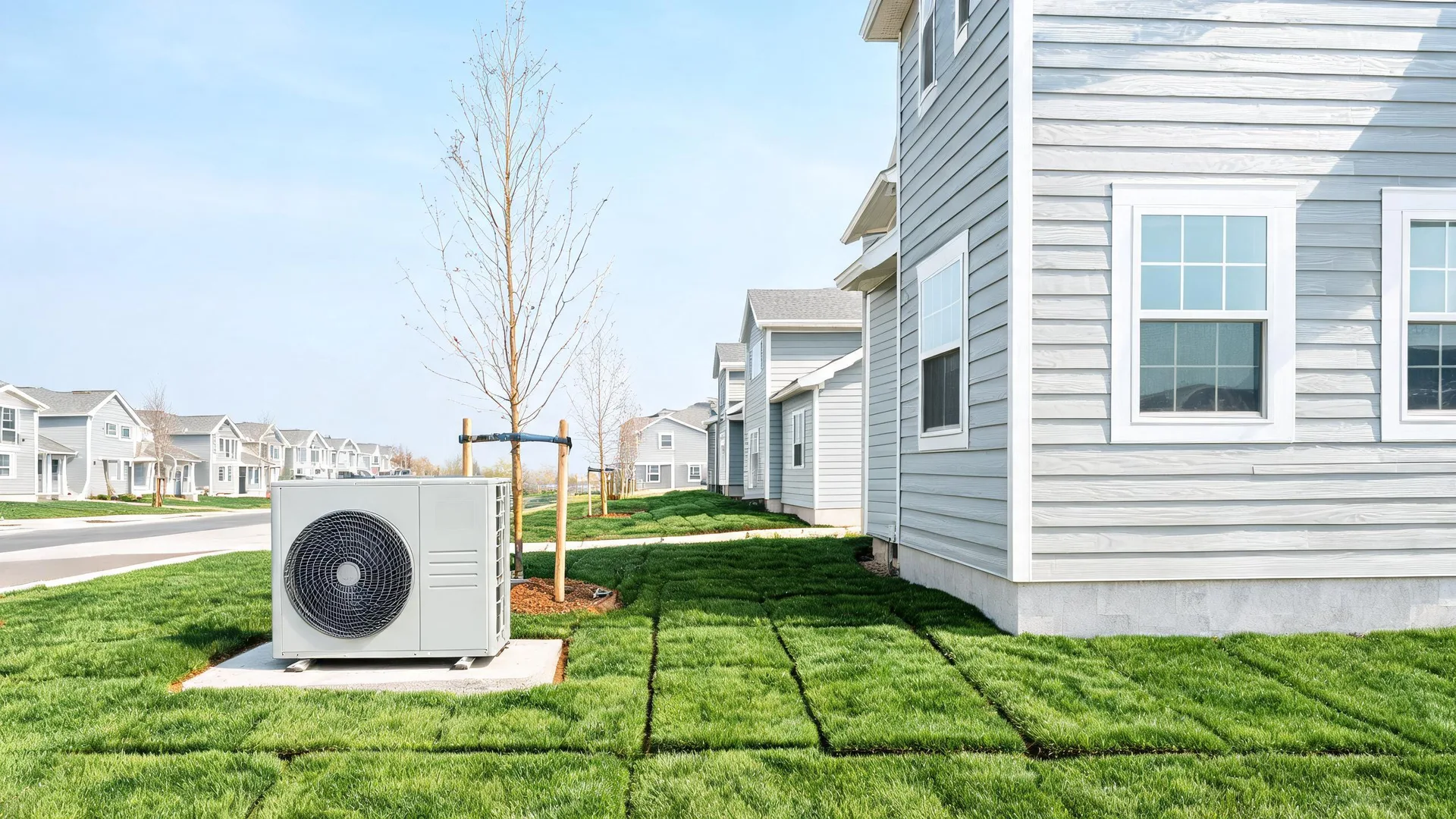
A heat pump in trouble rarely just quits. It runs longer than it used to, blows air that feels wrong for the setting, or cycles on and off more than it should. You might hear a clicking at the outdoor unit that doesn't stop, or notice the air from the vents is cool when it should be warm. Ice on the outdoor coil that doesn't melt off on its own is another one worth paying attention to.
What those signs are telling you

A short cycle can be a dirty filter or a failing capacitor. Weak heat can be a stuck reversing valve or a slow refrigerant leak. Ice that won't clear points at the defrost board or its sensor. Each symptom says something is wrong, not how serious it is or what it'll take to fix, so it's worth having someone look rather than guessing from the symptom alone.

A few things get worse the longer a struggling heat pump keeps running. A compressor working against a low refrigerant charge runs hotter than it should, and that heat breaks down the oil that's supposed to protect it, so a slow leak left alone can end up taking the compressor with it. A failing capacitor makes the fan motor pull harder to start each cycle, and that extra draw wears the motor down faster than if it just failed clean. A reversing valve that's starting to stick gets worse with every cycle, not better, since each pass leaves it a little more worn in the position it's fighting. Ice left to build on the outdoor coil blocks airflow, and the system responds by running longer to make up for it, which only feeds more frost. None of these fix themselves by running more. They just move further along.

A diagnostic visit starts outside, at the unit itself. A tech checks the refrigerant pressures, looks at the compressor amp draw, and watches how the system responds when it's told to switch between heating and cooling. That reversing valve gets tested directly, since a valve that's sticking sometimes still moves when commanded and sometimes doesn't, and the only way to know is to watch it happen. Inside, the tech checks the air temperature off the coil and looks at the filter and airflow, since weak airflow can mimic a refrigerant problem and send you chasing the wrong part. The defrost board gets checked against its sensor too, comparing what the sensor reports to the actual coil temperature, because a board can be fine while the sensor feeding it bad information. Most of this is done with gauges and a meter, not guesswork, and a tech can usually narrow things down to one part before anything gets opened up or replaced.