Profile view of a bearded man wearing a dark baseball cap and a dark gray T-shirt against a plain off-white background.

Is a high-efficiency furnace worth it in Hot Springs, AR

New system or replacementFurnace or heatingGarland County, AR
Step 1 of 2

What ZIP code is the job in?

Most of the time, no. Most homes in and around Hot Springs heat with electricity, not gas, so the furnace side of the equation doesn't apply the way it does up north. If you already have a gas furnace, a high-efficiency model can still cut what you burn, but Garland County winters are short enough that the fuel savings take a long time to add up to much. Electric heat here is paired with cheap power, which changes the math again: a heat pump or an electric furnace upgrade usually has more to offer than chasing a higher AFUE rating on gas. What matters more in this area is summer. Systems here work hardest cooling a long, muggy season, and that's where efficiency and proper sizing pay you back fastest. If you're deciding where to put money into your heating, look at the whole system, not just the furnace rating.

So why does a furnace matter here at all?

  • Winter nights average 33°F

    Winter nights here average 33°F, cold enough that a furnace runs most nights of the week, not just when a cold snap comes through.

  • Heat runs November through April

    Heat runs November through April, close to half the year, so whatever system is doing the work gets used on a regular basis, not just occasionally.

  • 65.8% of homes heat with electricity

    65.8% of homes in Garland County heat with electricity, which means for most of your neighbors this isn't a gas furnace question at all.

NOAA nClimDiv 1991-2020 · ACS 2020-2024

If your furnace runs on gas

A high-efficiency gas furnace pulls more heat out of the same unit of fuel, usually by running a second heat exchanger that catches what an older furnace would send straight out the flue. Over a winter of nightly use, that adds up to less gas burned for the same warm house. The equipment costs more to install than a standard furnace, and it needs a drain for condensate and sometimes a different vent, so it's worth having a contractor look at what your house already has before you decide.

If your home heats with electricity

Most houses around Hot Springs heat with an electric furnace or a heat pump, not gas, and a high-efficiency gas furnace isn't an option unless gas line is already run to the house. An electric furnace doesn't have a flue to lose heat through the way a gas one does, so the efficiency gain that makes a gas furnace worth the upgrade doesn't apply here the same way. A heat pump is where the efficiency question actually matters for most homes in the area, since it does both heating and cooling off the same electric line.

An older man with gray hair and a beard, wearing a dark coat dusted with snow, stands smiling in a doorway of a warmly lit home with a sofa, lamp and window visible behind him.
An older man with grey hair and a beard, wearing a dark coat dusted with snow, stands in a dimly lit entryway with a ceiling lamp, a side table with two shaded lamps, and a lit fireplace visible in a room beyond.
A bearded older man in a dark snow-dusted coat and scarf stands just inside a home's front door, with a lamp-lit room and snowy window visible behind him.
An older man with gray hair and a beard stands in a doorway of a home, wearing a dark coat dusted with snow, with a lit fireplace and lamp visible in the blurred room behind him.

Most homes here heat with electricity

If that's your setup, a high-efficiency gas furnace isn't the upgrade worth chasing. A contractor who works on both fuel types can tell you what actually fits your house.

Find a licensed pro

33°F average winter night

Cold enough that whatever furnace you have is running most nights from November through April. A local contractor who services it every winter knows what tends to wear out first.

Find a licensed pro

What's your furnace doing on these cold nights

If you've got a gas furnace, listen to how long it runs before it shuts off. An older one will cycle on and stay on a long while to get the house warm, and you can feel the air coming out the vents on the cooler side instead of hot. You might notice one room never quite catches up to the rest, or the gas bill climbing every month from November through April even though you haven't changed the thermostat. If the burner flame looks yellow instead of blue, or you smell something faintly like exhaust near the unit, that's worth having looked at soon, since it points to incomplete combustion rather than just an aging furnace working harder than it should.

A woman wrapped in a cream textured blanket sits in an armchair beside a lit lamp and a dark window, with an open book in the foreground.
A bearded man in a plaid flannel shirt stands indoors looking out a frost-covered window, with a steaming dark blue mug on the wooden sill and snow-covered trees outside.

Find a furnace installation pro in Garland County

One installer gets your project, so there's no bidding war over it.

Sending the form costs nothing.

A gas furnace that's 15 or 20 years old is still burning a lot of what it pays for just to get the exhaust out the flue. If yours is that old, a high-efficiency replacement is worth pricing out.

A gas furnace installed in the last decade or so is probably already running at 90% efficiency or better. There's not much room left to gain, and no reason to replace it early just to chase a number.

A beige gas furnace with a metal flue pipe stands in a basement against concrete block walls, beside sheet-metal ductwork, copper and white plastic pipes, and a water heater at right.
Before you get your furnace installation
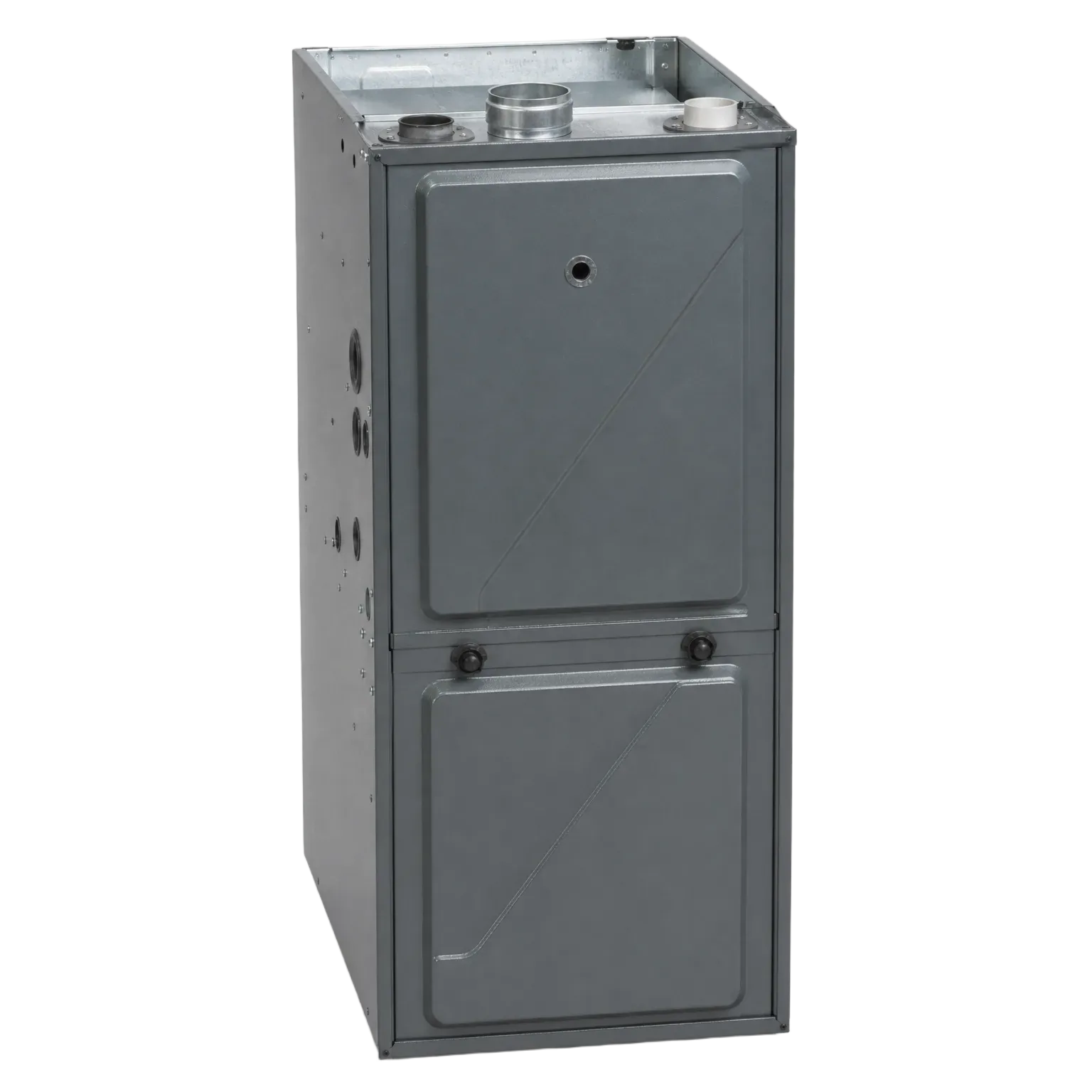
A gray high-efficiency furnace with white PVC vent pipes stands beside sheet-metal ductwork and a water heater in an unfinished basement with concrete walls and wood framing.
After you get your furnace installation

So, Is It Worth It

  • Most houses around Hot Springs heat with electricity, so a high-efficiency gas furnace isn't the upgrade that moves the needle here.
  • If you do run gas, a furnace 15 or 20 years old is losing heat out the flue every night it runs from November through April.
  • A newer gas furnace installed in the last decade is likely already doing its job well and doesn't need replacing on efficiency grounds alone.
  • The right call depends on your fuel type, your furnace's age, and how it's actually behaving on a 33°F night.
  • A local contractor who services both electric and gas systems in Garland County can tell you which of those applies to your house.
  • Working with one contractor who knows this equipment means a straight answer instead of several companies competing for the job.

The answer comes down to what's running in your house right now. Electric heat is what most homes around Hot Springs have, and if that's you, a high-efficiency gas furnace was never the upgrade to chase. Gas changes the math. A furnace that's 15 or 20 years old is sending real heat out the flue every night it runs between November and April, and on a 33°F night it's running a lot. A furnace installed more recently is likely already pulling most of the heat out of the fuel it burns, and replacing it wouldn't buy you much.

None of that replaces someone looking at your actual furnace. The fuel type, the age, how long it cycles on a cold night, all of it points to an answer, but it points to a different answer in every house. A contractor who works on both electric and gas systems in Garland County sees this equipment every winter and knows what a furnace that age is still capable of versus what's worth replacing.

Getting matched with one contractor, not several, means you're talking to someone local who can look at your setup and tell you straight whether you're in the group that should price out a replacement or the group that's fine leaving things as they are.


Corner of a house with cream horizontal lap siding and tree shadows, beside a covered porch with a square column, wooden deck, steps, white balusters, and a shrub at right.
Corner of a white clapboard house with a multi-pane wood window in warm low-angle sunlight, with hydrangea shrubs and other green foliage growing along the base and dark trees behind.
A wooden front door with divided-light glass panes set under an arched entry on a white shingled house, with a black wall lantern, a tall gray planter, flowering shrubs, and a flagstone walkway.
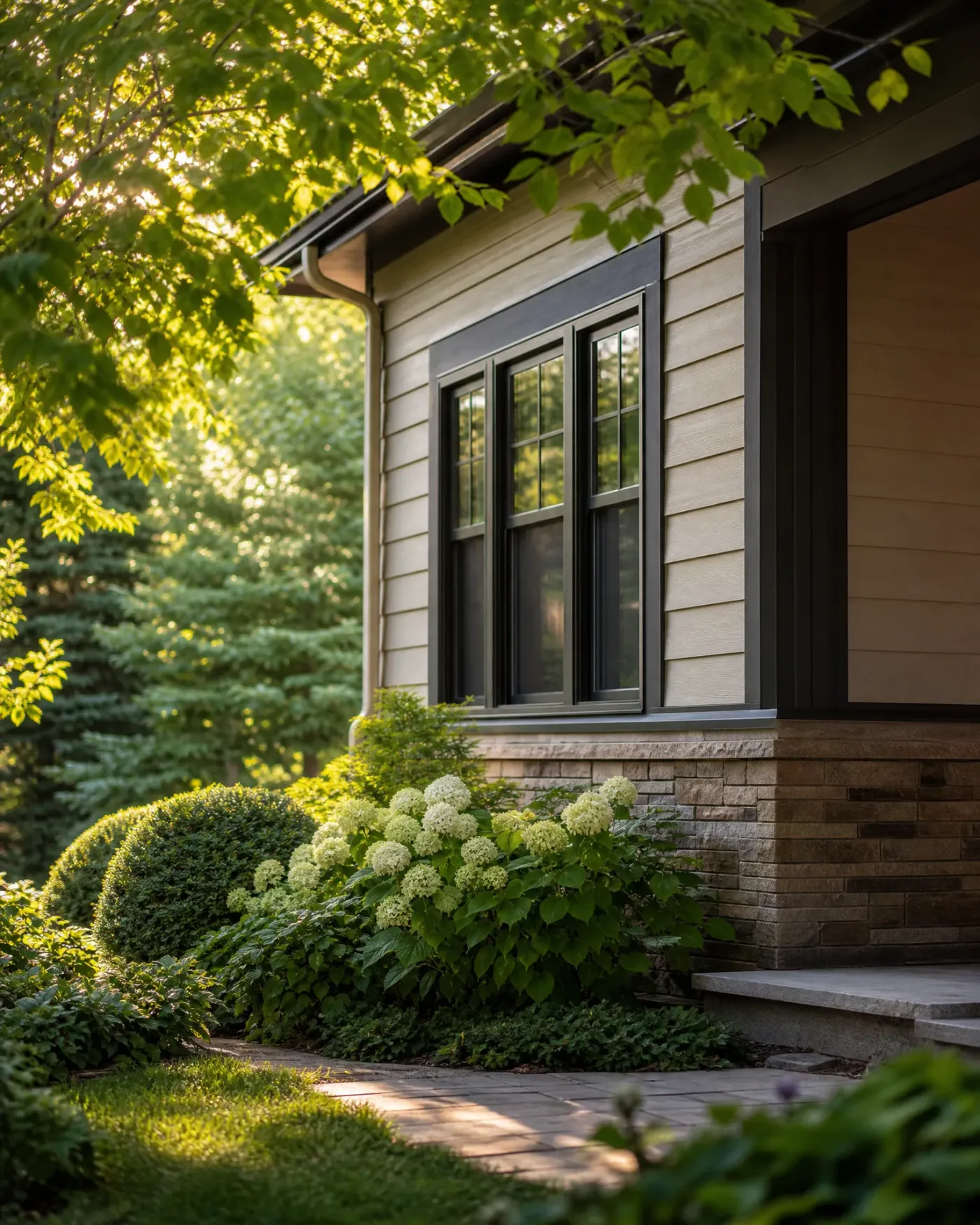
Exterior corner of a house with cream horizontal siding, a dark-framed three-section window, and a stone veneer foundation, with white hydrangeas and clipped shrubs along a paved walkway and tree branches overhead.
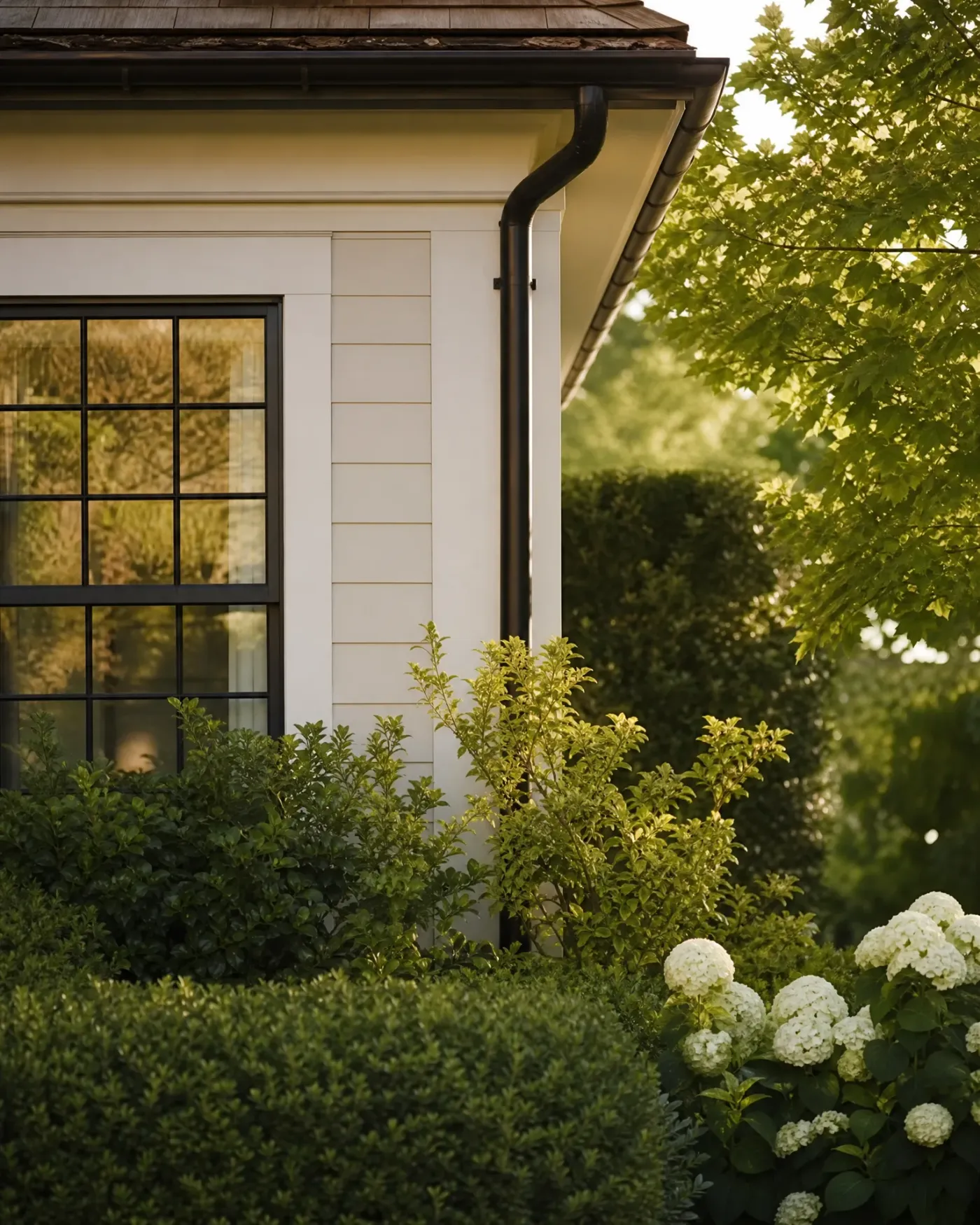
Corner of a white-clad house with a dark-framed grid window, dark downspout and eaves, surrounded by trimmed hedges, shrubs, white hydrangeas and a leafy tree in sunlight.

The right pro for this job

The pro who reaches out is licensed in Arkansas.

Get a licensed local pro

You're not committing to anything by asking.