

What winter here does to a heat pump
Your winter low here averages 29°F, and that's the number that matters most in this choice. A standard heat pump starts losing ground below 40°F and often needs backup heat below about 35°F. Twenty-nine is under both marks, and so is every one of the roughly 90 nights a year that drop to freezing or colder. That doesn't rule out a heat pump. It means the machine you buy and how it's set up to back itself up matters more here than in a milder county.
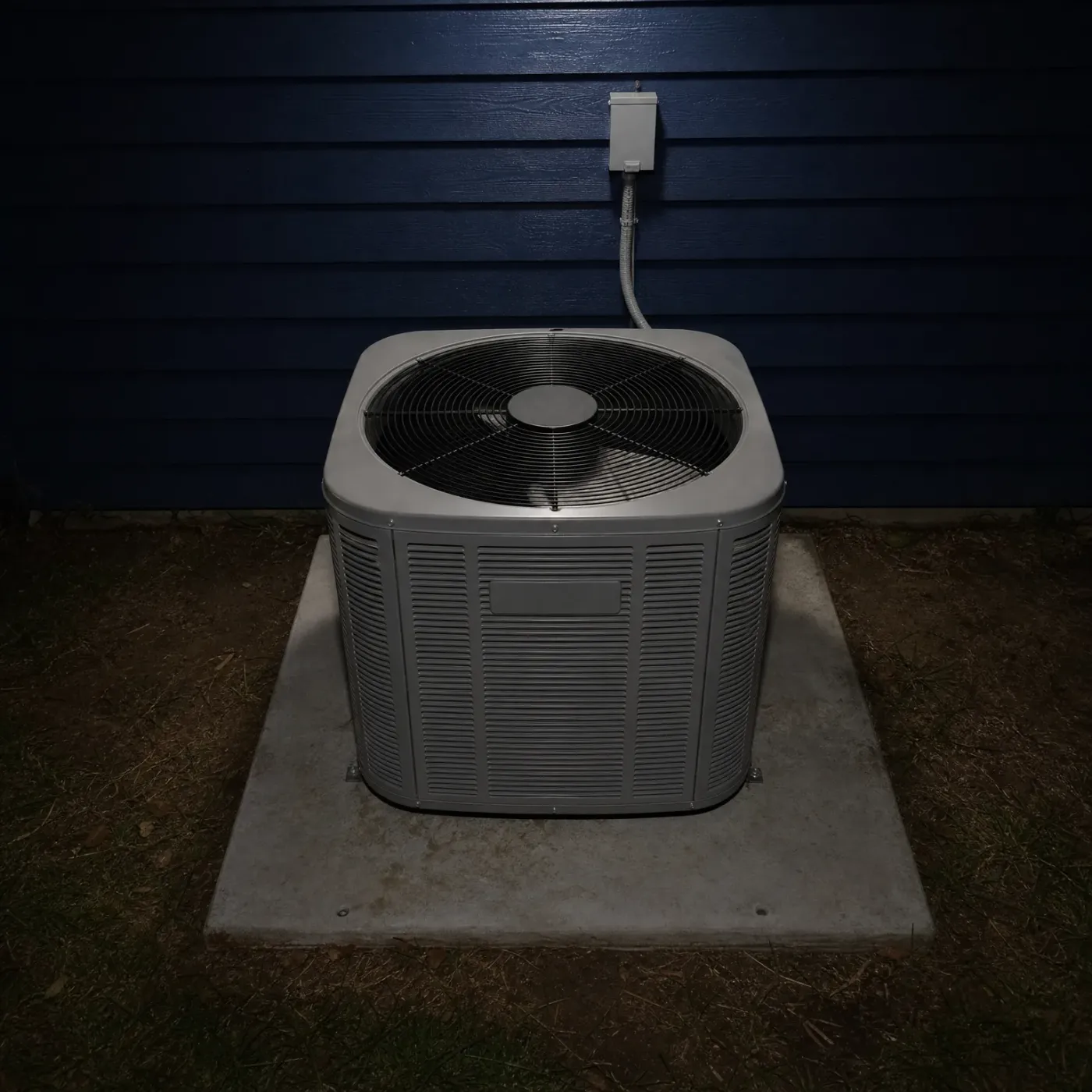
Almost none of that cold is extreme. About 90 nights a year here hit 32°F or below, but fewer than one a year reaches 0°F. That's the case for a cold climate heat pump over a standard one. To earn the ENERGY STAR cold climate mark, a heat pump has to deliver at least 1.75 units of heat per unit of electricity at 5°F and hold onto 70 percent of its 47°F capacity at that temperature. A standard model just isn't built or tested for that. Field tests of these cold climate units in occupied homes back this up: backup heat covered only a small share of the load between 0°F and 35°F, and the unit running on backup alone was rare even above 0°F. A standard heat pump paired with a furnace or electric strip as backup will lean on that backup more often here than a cold climate model would, right in the range of cold this county actually sees.